When Rav Yaakov Shlomo Friedman wound up in a DP camp faced with halachic scenarios more complex than he could ever imagine, he organized a beis din and helped survivors reestablish a sense of normalcy
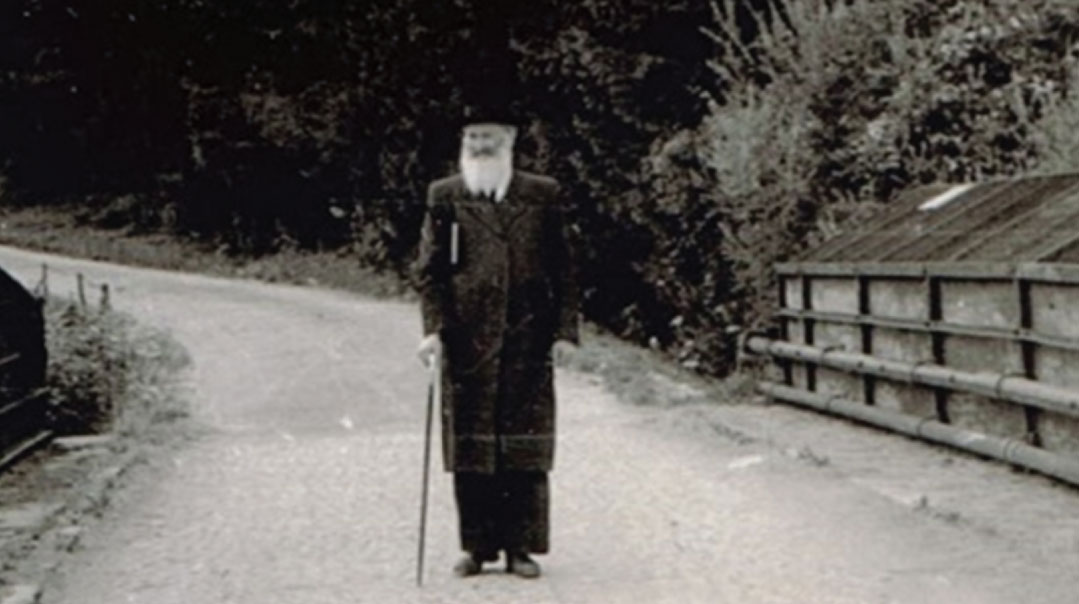
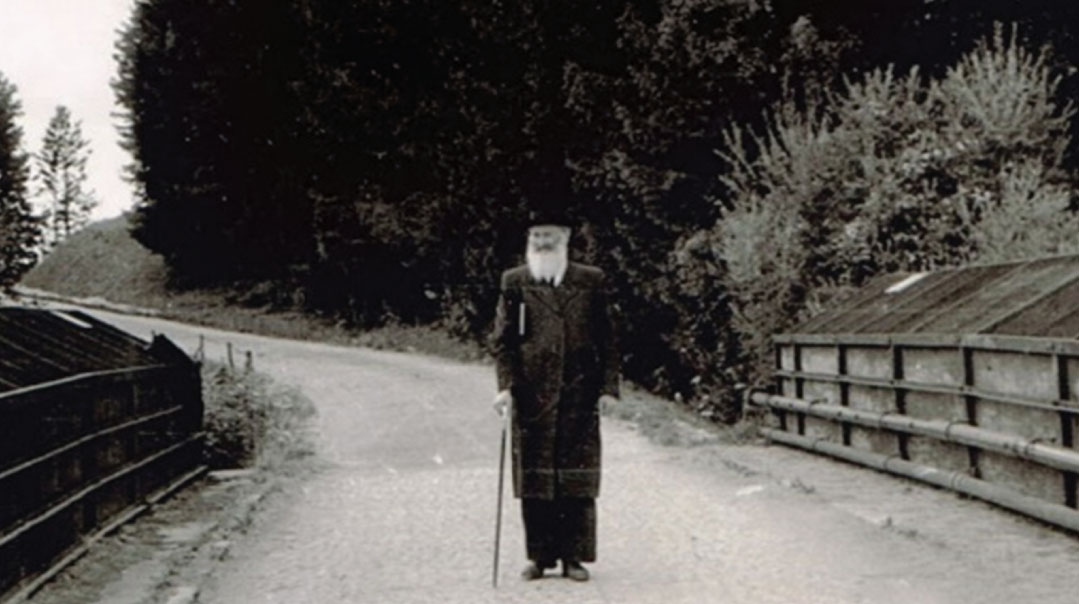
Photos: Family archives
When World War II was over, Rav Yaakov Shlomo HaKohein Friedman stood at a complicated, unwitting crossroads: For six years, he’d survived a Siberian exile, after which he was drafted to work for the Soviet NKVD (he refused to cooperate with them), yet when he finally made his way to a DP camp in West Berlin, he was thrust into arbitrating complicated post-war halachic situations he’d never dreamed of. He was a talmid chacham and rav of stature before the war, but he hadn’t had access to any seforim in years — how could he now take responsibility for gittin, agunos, and the like?
Rav Friedman was born in 1890 in Dinov, a small town in Galicia, Poland. By the 1920s he was a sought-after halachic arbiter, but even as a young child, he channeled most of his energy to collecting tzedakah for widows and orphans. As he grew older, he always looked for chesed opportunities, from giving firewood to poor people in his in-laws’ shtetl, Rockava, to writing letters home for refugees in Hungary during World War I, while he himself was a refugee as well.
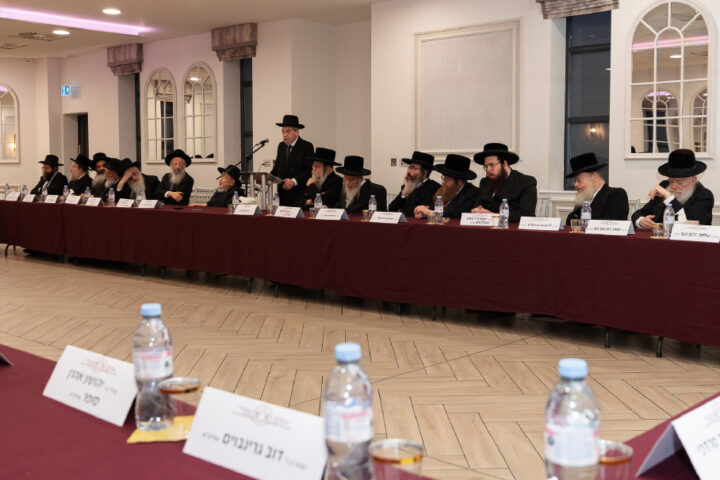
In 1940, deported to Siberia with his wife and five of his children — two of them were later killed at the hands of the Nazis — he found ingenious ways to daven, learn, and keep Shabbos and Yom Tov even in that frigid exile. In 1946, the family managed to escape from Communist Russia and eventually crossed over to West Berlin, where the Americans were running a DP camp called Shlachtensee — a temporary home to over 3,000 Jewish refugees. After the ravages of war, the camp was a welcome haven: Each family received clothing and three kosher meals a day, and and was eligible for an apartment, a stipend, and raw food to prepare in their own kitchen. With great reluctance yet realizing the necessity of proper rabbinic leadership in overwhelming post-war confusion, Rav Friedman, with several other rabbanim, took the reins of leadership, remaining in Shlachtensee for about a year until the camp was evacuated because of the Berlin Blockade. He then moved to Feldafing, a DP camp near Munich, where he established a cheder. Afterward he moved to Munich itself where he became the city’s rav; eventually, he became the rav of the main shul of Berlin as well. In 1956, he finally fulfilled a dream and moved to Eretz Yisrael where he led a shul in Petach Tikvah.
Rav Friedman left a special legacy — detailed memoirs about his life from when he was a young child all the way through the early 1970s. The memoir stops abruptly, and the family isn’t sure if the pages were lost or if he never got to finish what he started. Either way, the memoir ends the way it begins — with Rav Friedman raising money for a poor widow. Because through all his trials and adventures, doing chesed was the most important definition of his life.
Create a free account to keep reading.