A caller to Relief will encounter a warm voice, a guiding hand—and no unwanted questions asked. Connecting patients and clinicians, the organization has made seeking help for mental health normal. Behind that revolutionstand two men who believed the community could do better.
Connecting patients and clinicians, the organization has made seeking help for mental health normal.
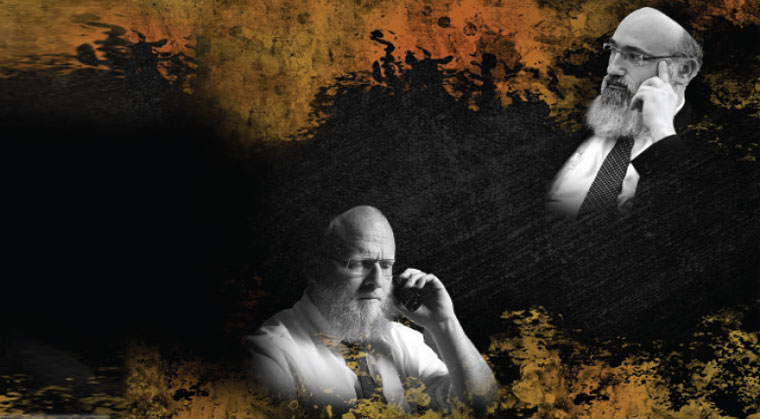
Behind that revolution stand two men who believed the community could do better.
Iwas once at a conference where a respected frum activist got up to speak He scanned the room, the long tables where people were seated row by row, and noticed that in the far corner, two men were deep in conversation.
He grimaced and said, “I can’t begin my remarks while people are talking.”
All eyes followed the speaker to the corner, where Rabbi Binyomin Babad stood whispering with another man. An uncomfortable silence hung over the rented brass lanterns, thick gray tablecloths, and elegant place cards.
Someone seated near me — not the sort to make a public mecha’ah — was visibly upset. He leaned over to the speaker. “If Binyomin Babad is talking to someone, there’s a good chance it’s pikuach nefesh. Leave him alone.”
The term pikuach nefesh sounds weighty, like Rabbi Babad is the sort of person who walks around frowning — edgy, self-important, in full-time crisis-management mode.
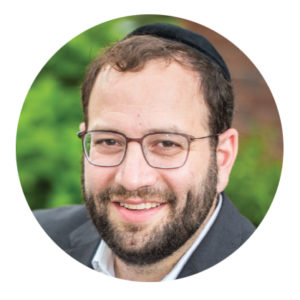
In fact, the man holding more secrets than a career intelligence agent, who holds the burdens and worries of so many, looks more like a kindly rebbi on the first day of school — an open face, an easy laugh, and a genial demeanor.
The secret-keeper title makes him smile, though, because it isn’t entirely fantasy. “My father really was in Israel’s intelligence service,” he says. In a career that took him from Eretz Yisrael to Europe and eventually, to Harrisburg, Pennsylvania, where he worked at Empire Kosher Poultry, Meir Babad did many things. “Some of them we knew about, and others we knew not to ask about. He had secrets.”
Binyomin and Naomi Babad started married life like so many others: They settled in Brooklyn so he could learn at the Mirrer kollel, then moved to Harrisburg, where he joined the poultry business.
As the family grew, the Babads moved to Lakewood, where Binyomin took a position with Agudath Israel’s PCS (Professional Career Services) Division, helping young men train and prepare for entry into the workplace. Through his work in job placement, he established a relationship with an accountant named Sendy Ornstein.
Rabbi Babad was the one charged with spotting talent and jump-starting careers, but things went in reverse.
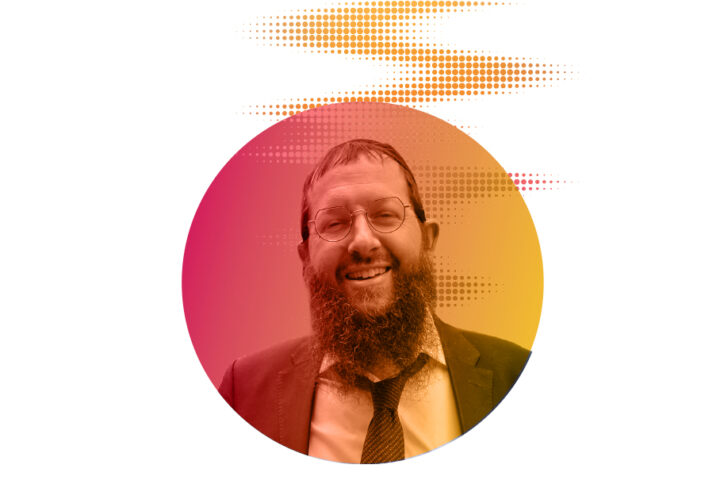
Because the young accountant had a dream and Binyomin Babad walked right into it.
Create a free account to keep reading.