While not optimal, it still may be done, since if Havdalah isn’t made on Motzaei Shabbos, it may be recited until the end (sunset) of Tuesday of that week. Note that whenever Havdalah isn’t made on Motzaei Shabbos, the introductory verses plus the brachos on besamim and aish are omitted, so the entire Havdalah will only be the brachos of hagafen and hamavdil.
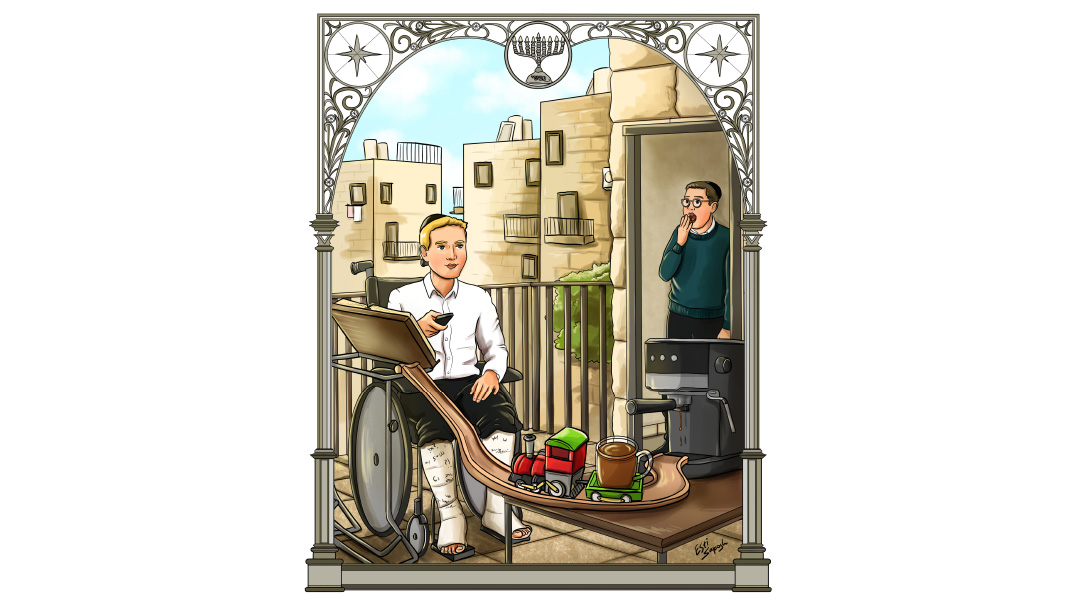
Note as well, that you’re not allowed to eat and drink before Havdalah, so on Sunday morning you may not have your morning coffee (or breakfast) before Havdalah. But since you aren’t allowed to drink wine or grape juice before davening, you’ll need to daven Shacharis first. Alternatively, you can recite Havdalah over coffee, which is considered chamar medinah and valid for Havdalah.
If, for some reason, waiting until Sunday morning to make Havdalah doesn’t work for you, it’s permitted for you to daven Maariv, recite atah chonantanu, and make Havdalah (without besamim or aish) on Shabbos afternoon any time after plag haMinchah. You can then eat Melaveh Malkah, and retire for the night. Obviously, it’s strictly forbidden to do any melachah until nightfall.
A child under bar or bas mitzvah age who will be unable to function properly the next day if he stays up late for Havdalah should be told to go to sleep and not wait for Havdalah to be recited, and certainly children shouldn’t be woken up to hear Havdalah. The practice in some families (and schools) is that those children make up the Havdalah (without besamim and aish) on Sunday morning. While this is praiseworthy, it’s not required, and children need not be pushed or pressured to do so.
Create a free account to keep reading.