Trump’s gunboat diplomacy is a long and partially successful tradition
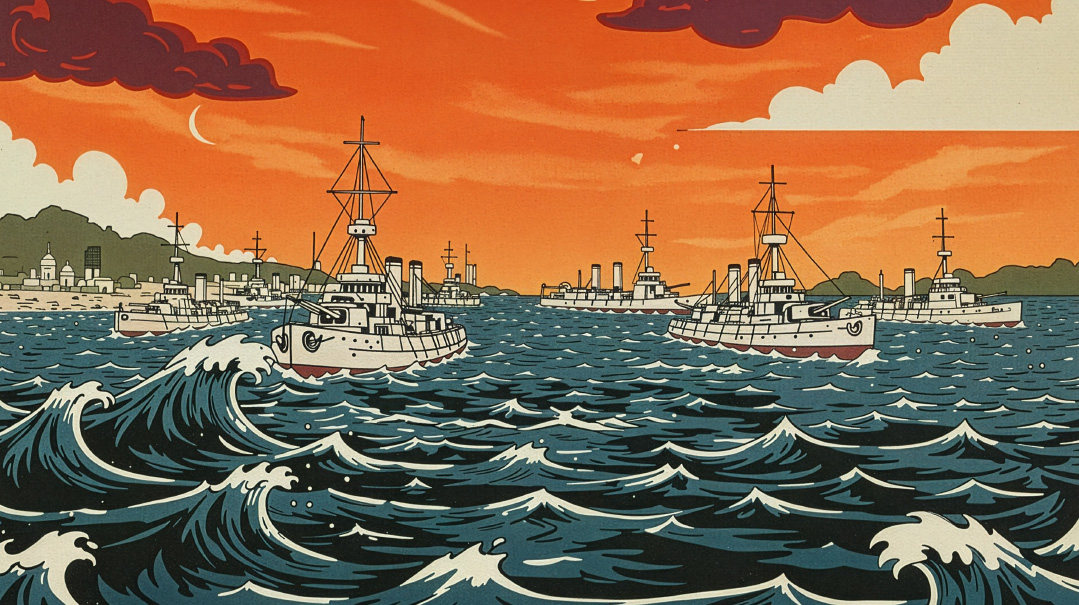
The most recent example of what his admirers call “peace through strength” is unfolding off the coast of Iran. Aircraft carriers, destroyers, and support vessels send strong messages, aimed not just at Tehran, but at the wider world.
Still, the presence of warships in hostile waters does not automatically signal the outbreak of war. Military history defines this as gunboat diplomacy — the use of naval force, or the credible threat of it, to secure political or commercial objectives, without necessarily crossing the threshold into formal warfare.
The record of gunboat diplomacy is mixed. Steel hulls and heavy guns do not always produce submission, and when they do, the results can be fragile, costly, or short-lived. History offers no shortage of cautionary tales. Below are five emblematic cases of gunboat diplomacy — and the specific lessons that the current occupant of the White House might want to consider before giving the order to fire.
For years, opium ravaged China’s Qing Empire, hollowing out society while enriching foreign traders. The profits were so immense that ending the trade seemed economically unthinkable — until the ruling Qing dynasty finally decided it had had enough. Determined to halt the free flow of the drug, Chinese authorities attempted to ban the opium trade outright. The decision dealt a serious blow to Great Britain, which, at the time, was exporting roughly 1,400 tons of opium to China annually.
Create a free account to keep reading.