That old man who waited decades for that noise
S
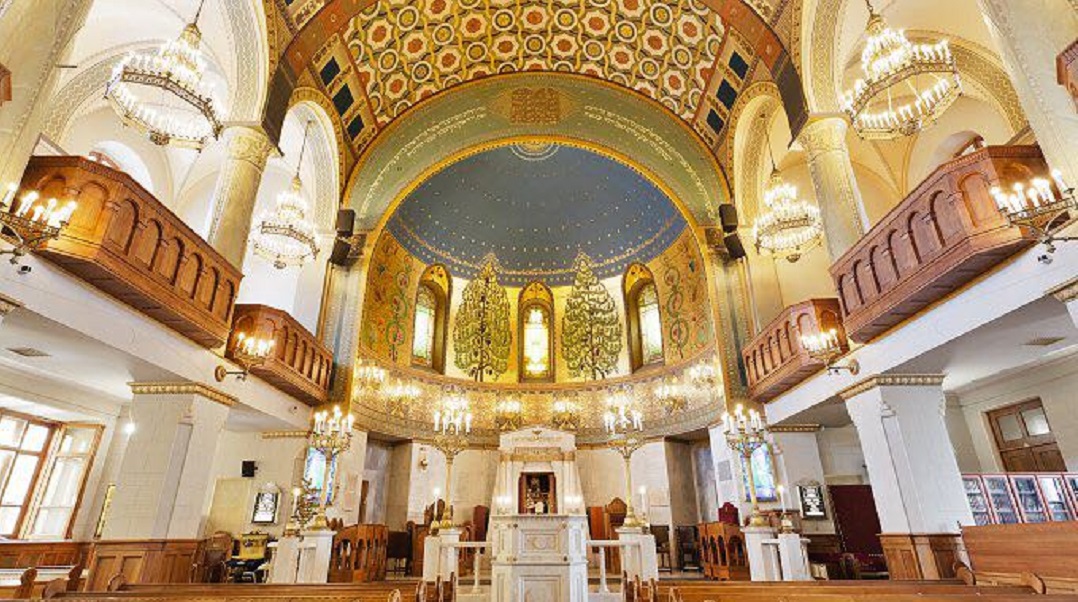
ome of my earliest memories are from the Moscow Choral Synagogue, the grand building located on Moscow’s Arkhipova Street, minutes away from the Kremlin.
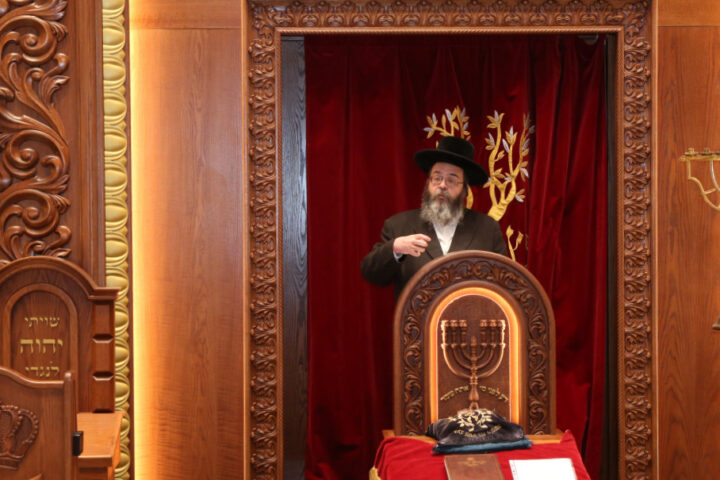
My father, Rav Pinchas Goldschmidt, founded the first beis din in Russia after the collapse of the Soviet Union. My mother, Rebbetzin Dara Goldschmidt, founded one of the first Jewish day schools in Moscow. What did I do? I was the first child to make noise in a shul after the fall of Communism. (My older brother Dovi was well-behaved, while I was the troublemaker.) We were the only kids to drink from the Kiddush cup on Friday nights.
Rabbi Adin Steinsaltz started the first yeshivah, which was in Moscow’s Kuntsevo District. My parents moved into a yeshivah dormitory with two little children — I was two years old — to teach Torah. The Jewish community infrastructure had to be built from the ground up. Kashrus, batei din, shuls, yeshivos, schools, a chevra kaddisha — everything was in its beginning stages.
At the time, in 1990, over a million Jews lived in Moscow. Most lived with their suitcases half-packed, waiting to get their papers to emigrate to Israel, Canada, the US, and even Germany. Many others chose to remain in post-Soviet Moscow, either because of an older parent or because they didn’t want to start from scratch in a foreign land. But anarchy ruled during this time, when Russian democracy was in its infancy and the whole system was in transition. The city seemed to be always under construction. Drunks lay in the corners of metro stations. Wild dogs ran loose throughout the streets in the early mornings.
Create a free account to keep reading.