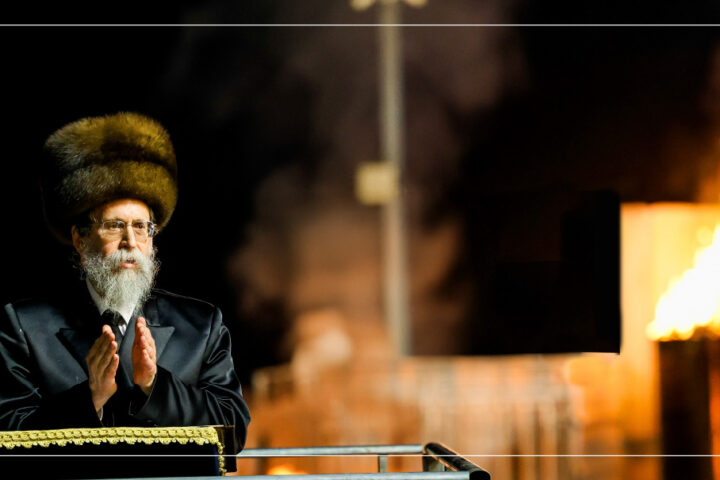
This surprising result was the product of many months of hard work by party leaders, who saw that energizing the base was key to electoral success

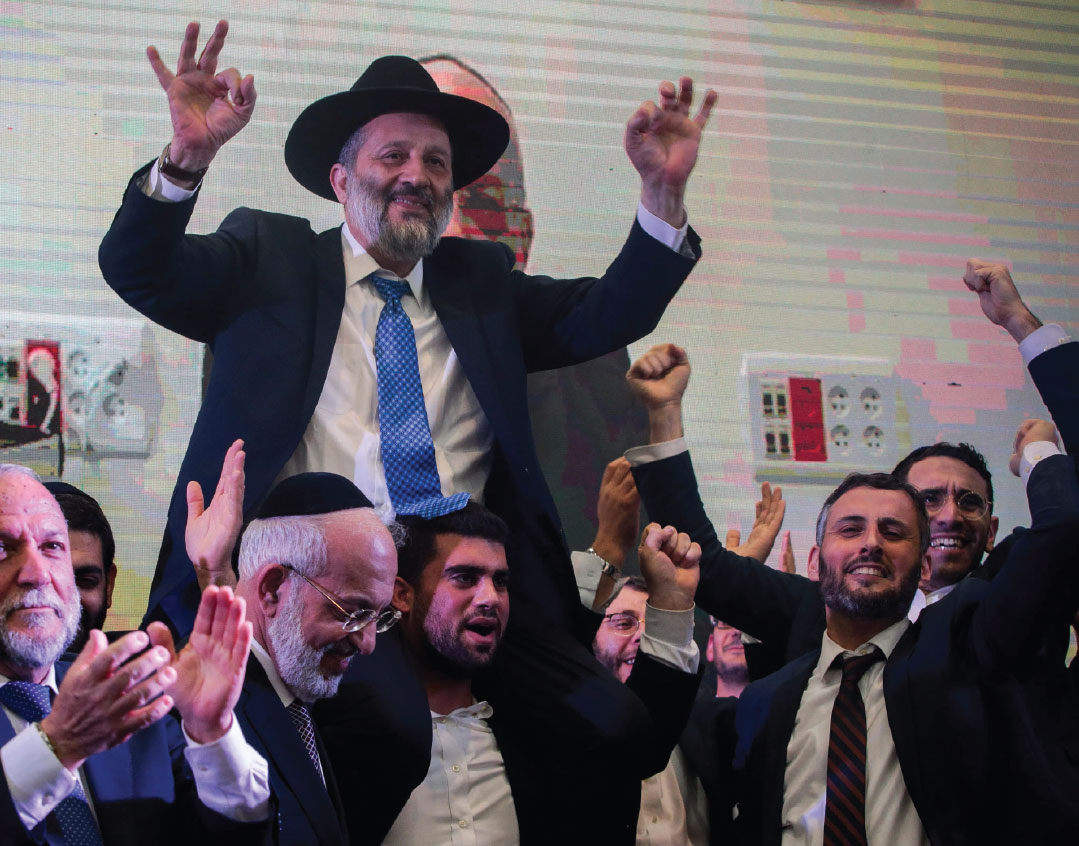
With 15 mandates (as of press time), eight for Shas and seven for United Torah Judaism, the chareidi faction is now the third largest in the Knesset, trailing only governing party Likud and the opposition’s Blue and White. This surprising result was the product of many months of hard work by party leaders, who saw that energizing the base was key to electoral success.
Deri Delivers
Let’s start with Shas. In recent months, many eulogized the party and its leader, Aryeh Deri. They said he no longer controls the street. They claimed traditional voters had left for other parties. As evidence, they pointed to recent results of municipal elections, for instance in Beit Shemesh, where Mayor Moshe Abutbul lost to an upstart.
Deri heard, listened, and went to work for every vote. He analyzed the polls predicting a decline in the party’s power and tightened his hold on every city and neighborhood. Shas city council members and MKs received a very clear message: Bringing in votes is your personal responsibility. Shas activists were told to go into the field and make sure those who pledged to vote Shas actually did so.
Deri didn’t let anyone off the hook, least of all himself. He surprised political observers by reaching out. He put aside his ego and engaged in dialogue with people who held grudges. Then he appeased them. It wasn’t easy, but the goal of increasing Shas’s power and safeguarding the enterprise that Rav Ovadiah Yosef ztz”l had entrusted with him was more important than his personal dignity. No less important was enforcing the leadership of Rav Shalom Cohen shlita, and the widespread support that Rav Cohen enjoys across the political spectrum.
Create a free account to keep reading.