Hashem is satisfied when we do our best
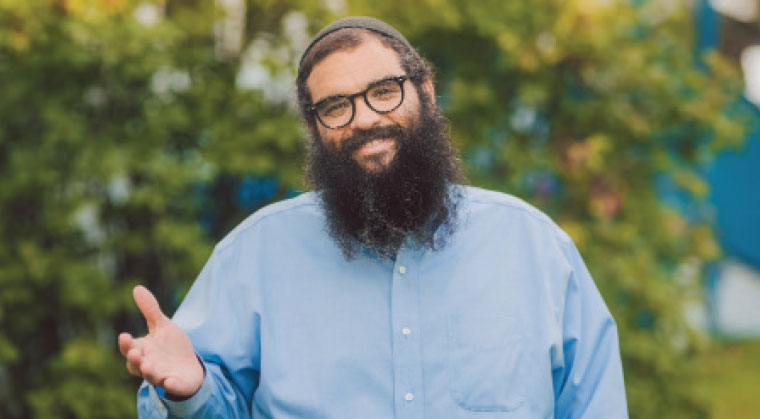
It was around 2 a.m., after a beautiful Seder at my in-laws in Beit Shemesh. A magical night, lively and animated. Everyone was long asleep, and the cleanup, followed by Shir Hashirim, was done. With no option, after the afikomen, of another coffee and some nosh, staying up all night to learn was not so simple. But Pesach night! Leil HaSeder! I couldn’t let such a special night just fizzle out. I wanted more. So, I walked to my rebbi’s house.
As expected, he was still sitting at the table, surrounded by his family and guests. There’s nothing like getting a warm welcome and smile from one’s rebbi, especially on this most exalted of nights. After being greeted with a hartzig “Good Yom Tov, I’m so happy to see you,” I sat down to bask in the spiritually charged atmosphere and participate in the conversation relating to Yetzias Mitzrayim.
After some time, as I stood to take my leave, my rebbi took my hand in his, smiled, and said: “I’m so glad you’re here. But next year, please don’t come back. I bless you shetaamin baSeder shelcha — that you should believe in your own Seder!”
With all the holiday expenses, cleaning and cooking, zillions of Haggadah vertlach, plastic frogs, Chol Hamoed plans, macaroons, pre–Yom Tov pressure, and focus on all the details of the mitzvos of the night, it’s easy to be distracted from the actual goal and purpose of Pesach, which is to draw close to the Ribbono shel Olam in the most personal way. “B’chol dor vador chayav adam liros es atzmo k’ilu hu yatzah miMitzrayim — In every generation, a person is obligated to view himself as though he left Egypt.”
Create a free account to keep reading.