Government shouldn’t be allowed to curtail religious expression just to make a statement
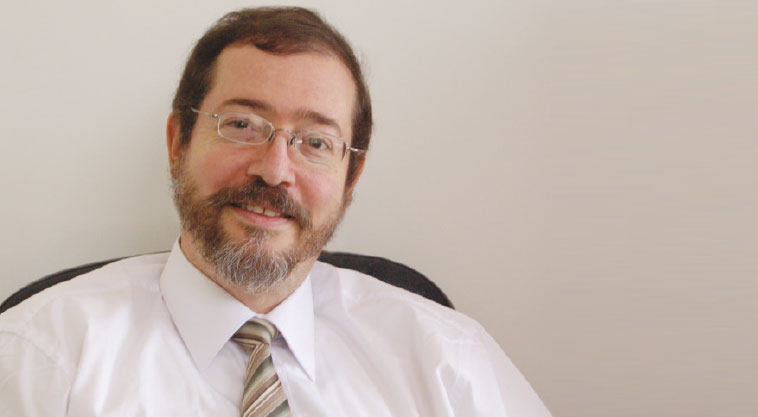
Less than a year ago, I wrote here about Professor Mark Rienzi’s upbeat view on the prospects for religious liberty in America. Rienzi, a law professor at Catholic University of America’s Columbus School of Law, is particularly qualified to opine on the topic as president of the Becket Fund for Religious Liberty. He is perhaps America’s leading legal advocate for the rights of religious individuals and institutions and has personally represented parties or amici in many of the high-profile religion cases heard by the Supreme Court in recent years.
I quoted Professor Rienzi as saying that the Court’s recent religion-related decisions have all “harmonized around the principle that, despite all our honest and deep-seated disagreements about important questions, robust protection for religious dissenters is essential to our living together in a pluralistic society.” He predicted that “the court’s move toward anchoring a pluralistic approach within the law of religious liberty is part of a long-term trend… [and it] looks set to extend the trend next term….”
He noted that the court had a very consequential religious liberty case called Fulton v. City of Philadelphia on its docket for the 2021 term. [For a fuller description of the case and a less sanguine view of the ruling, see Binyamin Rose’s interview with Nathan Lewin in this week’s Rose Report. —Ed.]
This case, he wrote, would “provide an opportunity for the court to continue its project of enforcing both constitutional and statutory protections designed to allow for a pluralistic society in which people with varied beliefs can coexist in peace.”
Create a free account to keep reading.