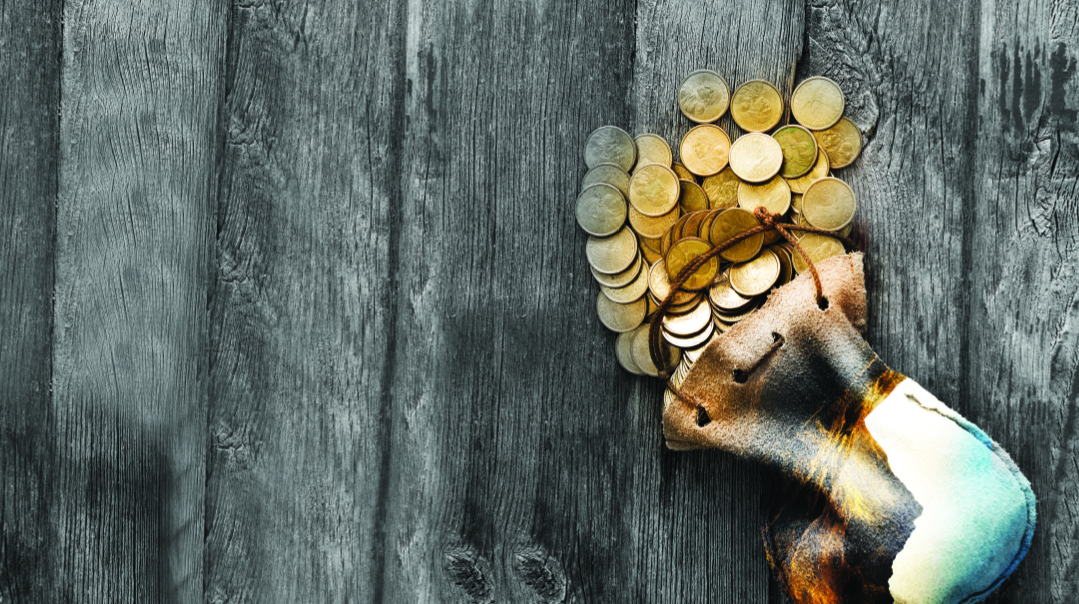
The child, his stomach grumbling with hunger, his pekel light and empty, took the coins eagerly. Money!
Kolbasov, Poland, 1890s.
Avrome’le sat at the back of the cheder. He was always in the back; he didn’t have a tatte, and his mama didn’t have enough coins to give the melamed each week.
He listened carefully. The melamed went from table to table, reading from a siddur with the four-year-old group, learning Chumash with the six-year-olds. Sometimes, a question appeared in Avrome’le’s mind. He put his forehead in his hands and tried to think. Other boys raised their hands with kashes, but his mama didn’t pay the melamed, so he wasn’t allowed to ask.
Still, he was happy. As well as learning alef-beis and davening and Chumash, Avrome’le watched the melamed closely. He saw how his face creased into happy lines when he spoke about Yom Tov. He watched the tears that rolled down the melamed’s cheeks when he said Al Naharos Bavel, after eating a slice of black bread at noon.
Days passed and Avrome’le came to cheder each morning. Years passed and Avrome’le learned diligently. Until the day he was bar mitzvah, and then it was understood that the luxury of learning in the little cheder could be his no more. Nor the simple comforts of home: Mama’s Shabbos kigel and a cozy, warm spot by the stove. Like his brother Mendel before him, Avrome’le would have to go find work to help his family.
Create a free account to keep reading.