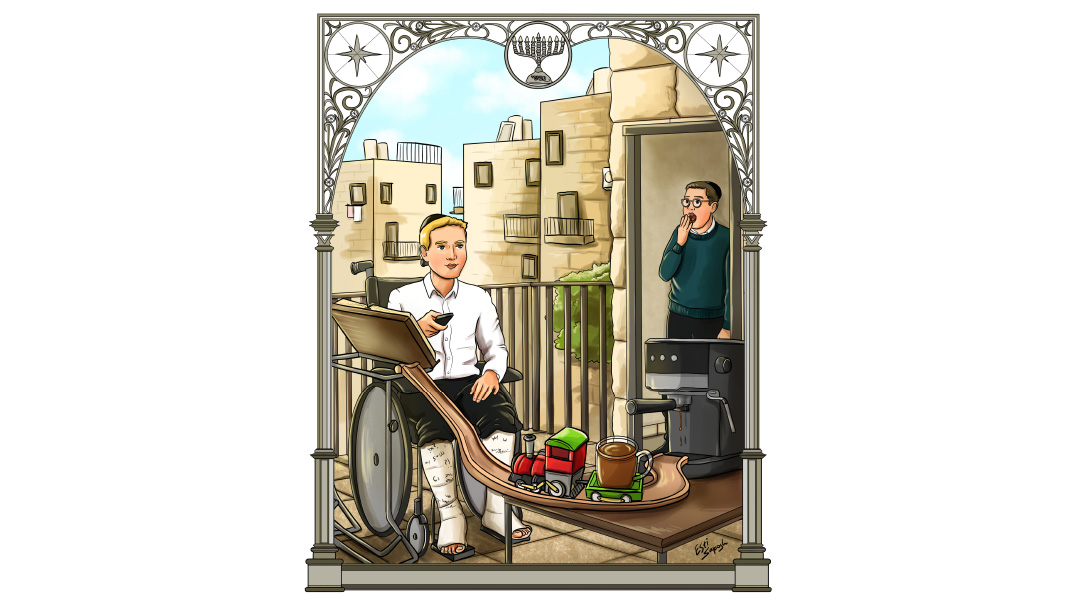
When a family member’s life hangs in the balance, and you sit paralyzed with fear, Tehillim provides a means to harness your nervous energy, and the words to plead with Hashem.
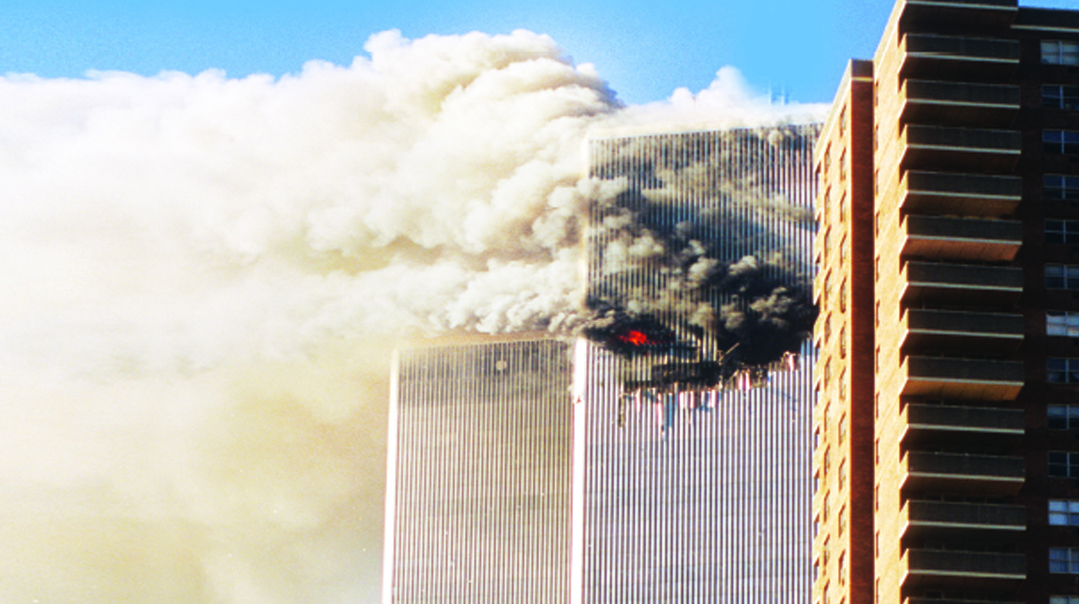
9/11 wasn’t something far away for me. Living in Brooklyn, we smelled the smoke, gathered charred bits of papers from our front lawns. Mostly we were in shock, peering out our windows every morning to make sure the world was still there.
Shortly afterward, I began seeing calls by rabbanim to recite a certain five chapters of Tehillim every day. I’d never been much of a Tehillim person. I could read Hebrew, but my comprehension was spotty; I was a BT who’d gotten married and had a bunch of kids quickly, hence had to pick up a lot on the fly. (I’d had this idea I’d learn along with my children as they went through school, but it vanished in a haze of supper dishes, laundry, and bedtime.)
But in 2001, with my youngest in preschool, five chapters of Tehillim didn’t sound like too much, and it seemed the world really needed prayers. So I started plowing through the chapters every day. One or two were already familiar, which eased things somewhat. I kept at it until all five were familiar.
Then it occurred to me: Why not try to master more Tehillim? I resolved to go through the entire sefer, one Tehillah a day, until I’d gone through all 150. I’d cut myself some slack on the really long ones, break them up over a day or two. How hard could it be?
Create a free account to keep reading.