Chaviva Warner’s journey from Tianjin to Torah

But her rabbi, Rabbi Ephraim Buchwald, had other ideas.
“Everybody loves you,” he proclaimed. “Your name should be Chaviva!”
So Chaviva it was.
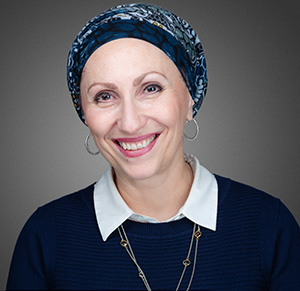
When I meet her at a café in Flatbush, I instantly see what Rabbi Buchwald meant: Chaviva is lovable. We’ve never met before, but she greets me with a huge smile, hugs me, and immediately tells me how good I look (which, at my age, is welcome flattery).
Chaviva looks great, too. Now 55, she looks much younger, with slightly red-tinted black hair that looks freshly blown dry, discreet makeup, and stylish clothing. (“My weakness,” she admits cheerfully.) She brims with verve and energy, and her story bubbles out of her, a tale of how a woman born in Communist China, who was six when she lost her father and thirteen when she lost her mother, managed to get herself to the United States, marry and divorce an unaffiliated Jew, and gradually find her way to Yiddishkeit.
Create a free account to keep reading.