While the journey to the chuppah is often fraught with questions, conflict, and doubt, it seems that the real issues begin on the walk back down the aisle. Rabbi Ben Tzion Shafier, known for the advice, wisdom, and wit he shares on his popular site, The Shmuz, examines some of the most common bumps in the road, for both dating and married couples.
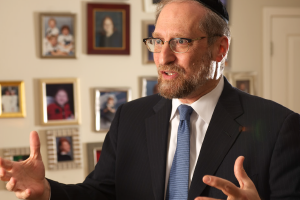
Rabbi Ben Tzion Shafier was a “mild-mannered, innocent high school rebbi” when his rosh yeshivah, Rav Henoch Leibowitz ztz”l, tapped him to start an outreach program for working guys. Almost overnight, “The Shmuz” was born — a series of lectures on a wide variety of topics in Yiddishkeit, presented with trademark humor, wit, and Torah wisdom, and it quickly took off, reaching a depth and scope that left its creator stunned.
But as his base of listeners grew, the questions they asked started getting thornier and more complex, revolving around shidduchim, marriage, and shalom bayis, and it didn’t take very long for Rabbi Shafier to realize that the nice and easy newlywed challenges were a thing of the past. Now things were more complicated than ever, and the picture was looking precarious.
“I realized that had there been some groundwork set at the beginning, in the early stages of marriage and dating, then a lot of pitfalls would have been avoided later on,” says Rabbi Shafier. He reveals that the burgeoning divorce rate among frum couples was the impetus for his newest free lecture series, “The Marriage Seminar,” which includes 12 hour-long sessions on such germane topics as gender differences, the Torah view of love, changing habits, and why couples fight.
From his vast experience counseling couples during both engagement and marriage, Rabbi Shafier has a unique vantage point on relationships today and the forces that dissolve them. “We’re seeing significantly more divorces today than in previous years, and I attribute it to three reasons. Firstly, people are more fragile today; they lack a certain ‘wholesomeness,’ a sense of being comfortable with who they are and where they fit in the world. There are also many psychological issues that people struggle with today. Generally speaking, when these factors are brought into a marriage, they get magnified. A healthy relationship requires a solid, healthy human being because it requires a lot of give-and-take, flexibility, and reasonable expectations. If you yourself are fighting demons — emotionally, psychologically, or socially — then there’s very little bandwidth left over to let another person in and to give to that person.”
Create a free account to keep reading.