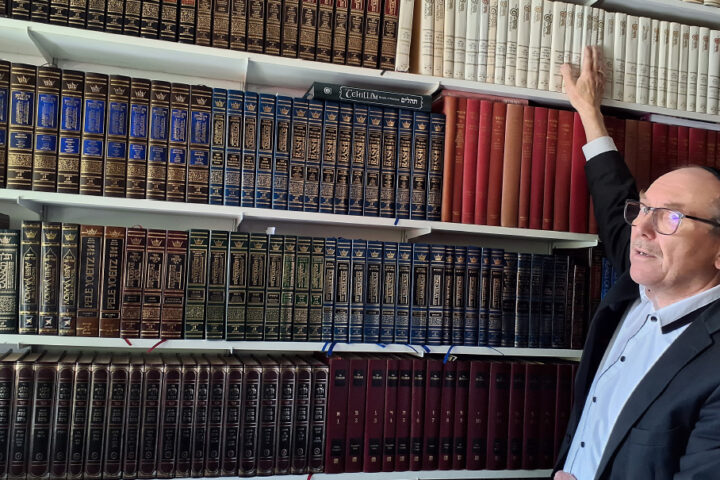
His brother reacted as if he’d seen a ghost: “The blanket!”
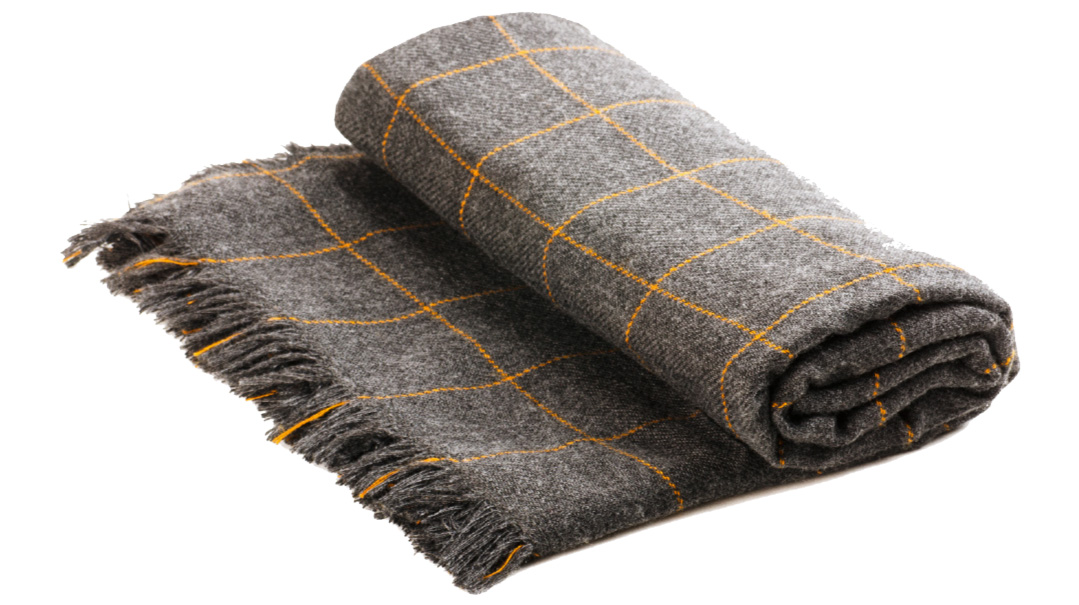
AT 24 years old, it was all she owned.
Coarse and bristly, yet warmer than anything she’d managed to scavenge over the past year, the blanket represented the impossible: She had survived.
But just barely. In the course of 12 months, she’d gone from life as a pampered young woman in Košice, doted on by her parents and older brothers, to an apparition, skin stretched tight across protruding bones, a skeleton in motion.
It was a year and a lifetime ago that they’d rounded up her family with the rest of the town, packing them like merchandise in a local warehouse. Her father’s Kiddush ushered in the holy day for the beleaguered group, husbands and wives and children pitifully unaware this would be their last Shabbos together. She had pulled up to Auschwitz on a cattle train heaving with people; young and healthy, she’d bypassed the ovens that swallowed her family whole.
Create a free account to keep reading.