What impact will the dramatic raid have on Donald Trump's political future?
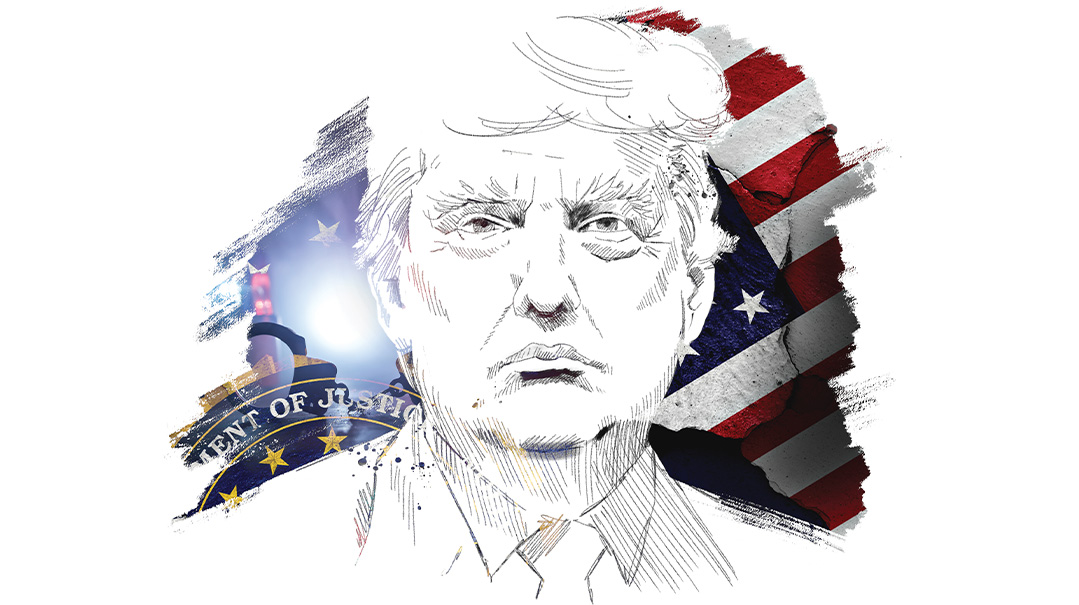
The federal government’s “dictionary definition” of classified material includes “certain information requiring protection against unauthorized disclosure in the interests of national defense and security or foreign relations of the United States… The potential damage to the national security of each is denoted by the classification levels Top Secret, Secret, or Confidential.” Security classifications have existed since the 20th century, but these exact terms were coined during the Cold War.
There is a special term, “above top secret,” often applied, but there is no such official designation. According to the online technology magazine Wired, an estimated one million Americans — including the president, certain FBI agents, military personnel, and most intelligence officers and analysts — have top-secret clearance, but special background checks and clearance procedures are required to view nuclear documents.
Wired ticked off a comprehensive list that includes papers on nuclear weapon science and design; the nuclear weapons systems and plans of allies and adversaries; and details of America’s nuclear arsenal, deployment, and command and control procedures. If any of this fell into enemy hands, it could cause great damage to America’s security.
Sources familiar with how top-secret government materials are handled tell Mishpacha that code words are assigned to such material. In some cases, even the code words are considered top secret. Records are kept of how many copies exist, who signed them out and when, and their current whereabouts. While a president is allowed to share classified material with someone he trusts and has the discretion to declassify top-secret material, he is expected to keep America’s secrets secret.
Create a free account to keep reading.