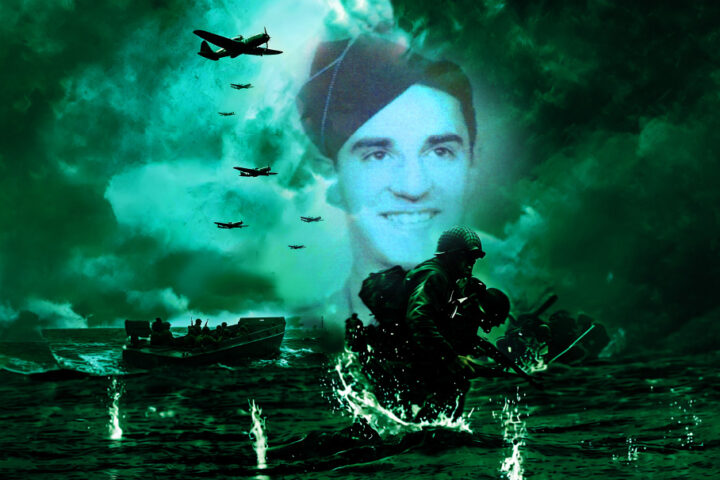
There are two types of miracles: the neis nistar (the hidden, concealed miracle) and the neis nigleh ( the open, obvious miracle)
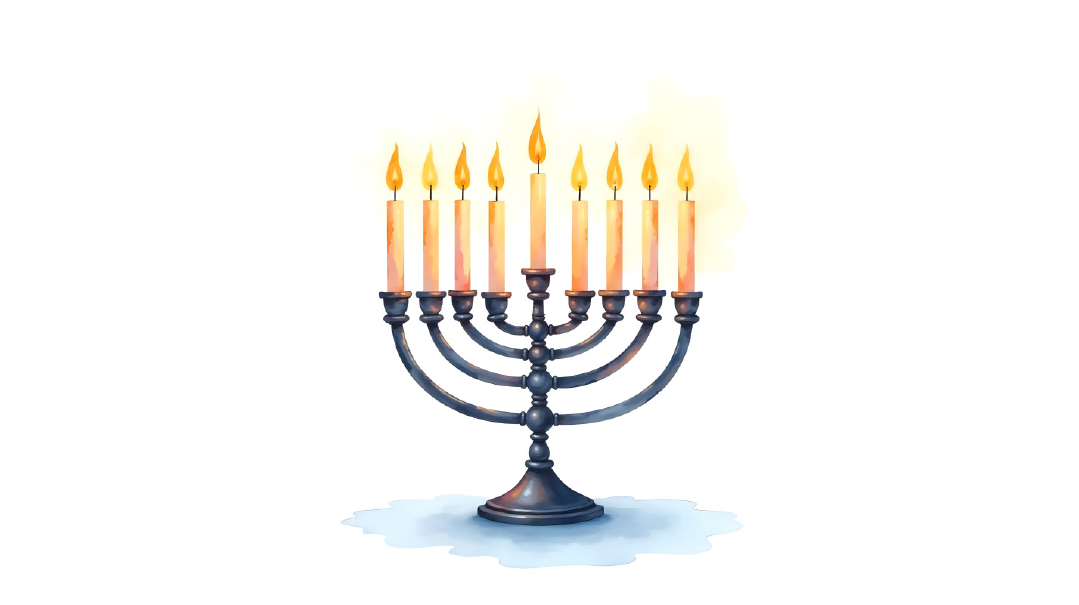
Chanukah is popular and beloved, perhaps because it does not require us to do anything but light the menorah — no shofar, no lulav or esrog or succah or obligatory Megillah reading or matzos. (Pssst! If you don’t eat latkes or sufganiyot during Chanukah, you do not burn in the netherworld. On the contrary, you and your stomach will feel heavenly.)
Because of Chanukah’s demotion — powered mostly by profit-driven merchants — into a Jewish version of Xian December festivities, a deep dive into a little-known element of Chanukah is not out of place.
Even a cursory glance at the sources of Chanukah reveals a profound difference in the way the daily Shemoneh Esreh treats it, and the way the Talmud treats it.
The al hanissim insert in the Shemoneh Esreh celebrates the remarkable military victory of “the few against the many,” but only hints at the miracle of the vial of oil burning for eight days. On the other hand, the Talmud, in Shabbos 21b, celebrates the burning vial of oil, but only hints at the miraculous military victory.
Create a free account to keep reading.