Japan’s historic victory was due in no small part to the financial backing of Jacob Schiff
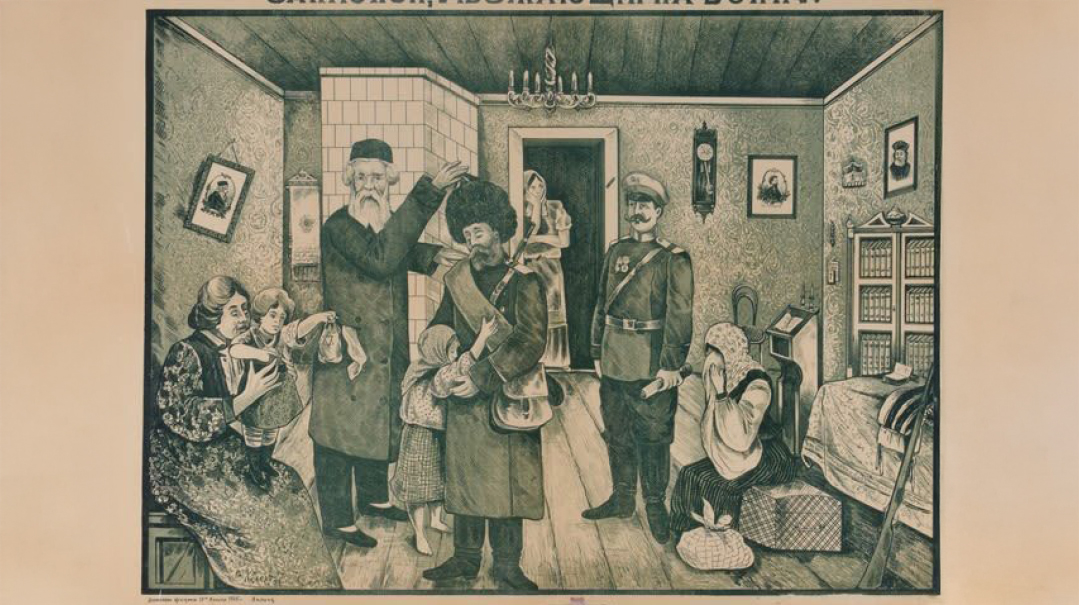
The decades from 1880 to 1920 were a pivotal time in Jewish history. In the United States, the post–Civil War economic boom gave rise to a Jewish upper class who had immigrated from Germany in the mid-19th century. The 1880s saw the start of a massive influx of Eastern European Jews, primarily from the Russian Empire, which continued without abate until the US government curtailed immigration in 1924.
The wave of immigration from Eastern Europe would transform the American Jewish community. Millions of immigrants, largely bewildered and impoverished, faced new challenges in acclimating into American society, finding gainful employment, and retaining their Jewish identity and practices. Modern anti-Semitism was on the rise, both in the United States and internationally, and the plight of Jews suffering under the brutal czarist regime emerged as a central concern. At the same time, the rise of Jewish nationalism, especially in the form of the nascent Zionist movement, generated a sense of political upheaval.
The great 19th-century European Jewish philanthropists — Sir Moses Montefiore, Baron Maurice de Hirsch, Baron Horace Günzburg, and the first generation of the Rothschild banking family — would be eclipsed by an American Jewish philanthropist named Jacob Schiff (1847–1920), whose leadership on the Jewish scene in America and the world in general would be remembered as the “Schiff era.” He became the address for every major and minor issue of his day, and duly dispensed his phenomenal wealth for a host of causes.
His most famous and ambitious project was his financing of the Empire of Japan during the Russo-Japanese War of 1904-05. The czarist Russian Empire had been looking to expand its sphere of influence in the Far East, and to that end was seeking a warm water port in the region, as the waters around Vladivostok froze during the winter. The Empire of Japan was a rising power and was looking to expand its sphere of influence in Korea and Manchuria.
Create a free account to keep reading.