“Come Elul— the Jewish tax season— you should be spending extra hours in the beis medrash as well!”
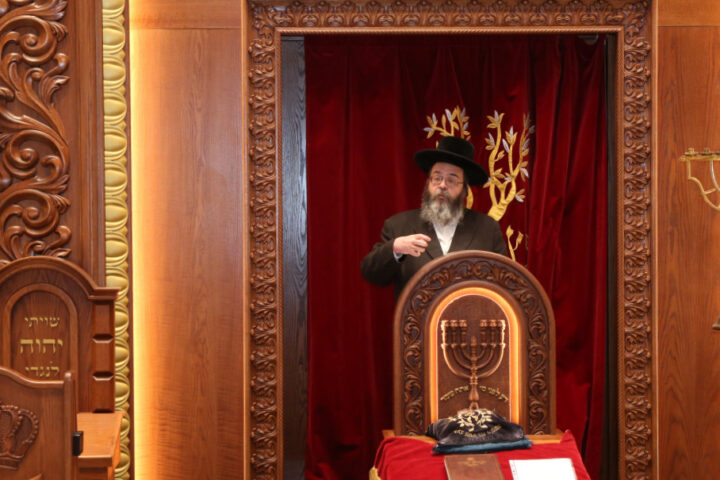
Ralph Herzka addressed the H3 Conference in Florida held earlier this month. As tax season was getting underway, Mr. Herzka recalled another tax season, one in which his rebbi, Rav Shmuel Berenbaum ztz”l, the Mirrer Rosh Yeshivah, was still alive. Mr. Herzka had a chavrusaschaft with Rav Berenbaum, and one day before tax filings were due, Mr. Herzka was still in the office late in the evening poring over spreadsheets when his phone rang. It was Rav Berenbaum, wanting to know where his chavrusa was. Mr. Herzka apologized, explaining that it was tax season, and that he needed to be in the office. “Tax season?” the Rosh Yeshivah asked. “Vos is dos tax season?” Mr. Herzka explained that taxes are due annually on all profits earned the previous financial year, and prior to filing, one has to calculate how much he has to pay. It is a complex task to make an accounting of what revenue was earned, any losses incurred, and to reconcile all the books to make sure everything added up, necessitating the additional hours. Rav Berenbaum probed further. “Is this your busiest month — the month before you file taxes?” he asked. Yes, confirmed Mr. Herzka, April was his busiest. “Ah,” said the Rosh Yeshivah, “if you’re putting in all this extra time the month before you have to give a financial accounting in business, then come Elul — the Jewish tax season — you should be spending extra hours in the beis medrash as well!”
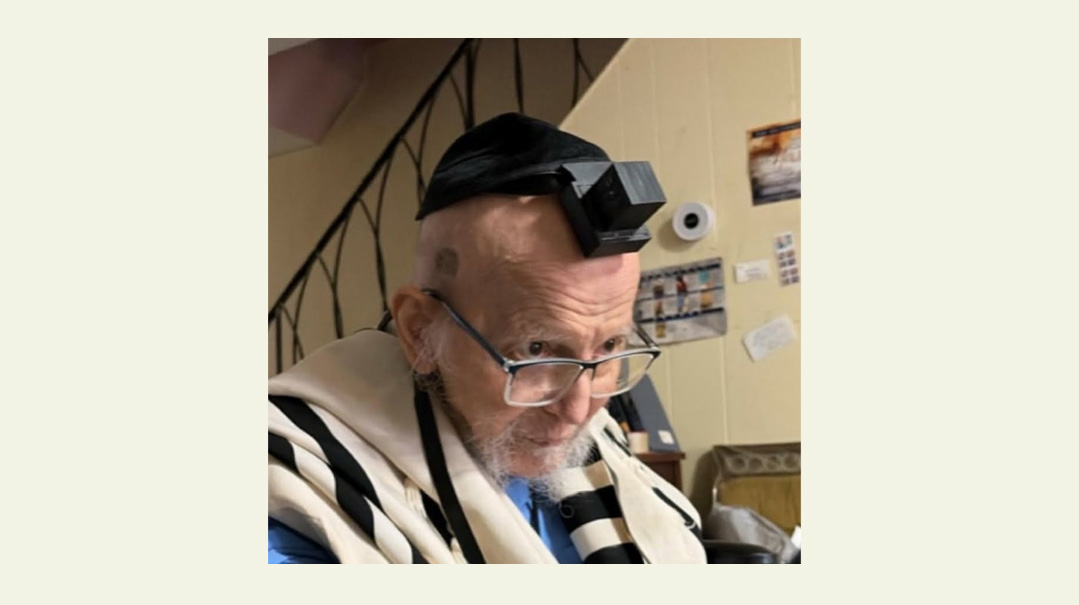
At a Melaveh Malkah in the Holly Oaks section of Manchester, New Jersey, Rav Aaron Zisow, rav of Beis Medrash D’Manchester, spoke about his great uncle, Rav Moshe Feibusch z”l, a Holocaust survivor who came to Bnei Brak after the war. He began life anew, establishing a large chassidishe Torah family and hosting legendary Pesach Sedarim.
In the most literal kiyum of kol dichfin yeisei v’yeichol — all who are hungry, come and eat — Rav Feibusch would open his Seder to all of Bnei Brak’s Jews who had nowhere else to be. On Pesach night, his modest dining room was packed with widows and orphans, brokenhearted Jews and lighthearted ones, some restless, many hopeless. Guests who may not have had a hot meal or a place to stay all year long were seated grandly and served like royalty by the Feibusch children, on their feet all night long, catering to each guest’s unique needs. Rav Moshe himself would hurry through Maggid, attempting to reach Shulchan Oreich so his guests could enjoy the meal.
One year, a son asked his father, half in jest, long after the Seder had ended, “Tatty, all Seder night, we work hard — when are we going to have a chance to be bnei chorin?”
Create a free account to keep reading.