The clock is ticking for Zeidy — should we bend our principles?
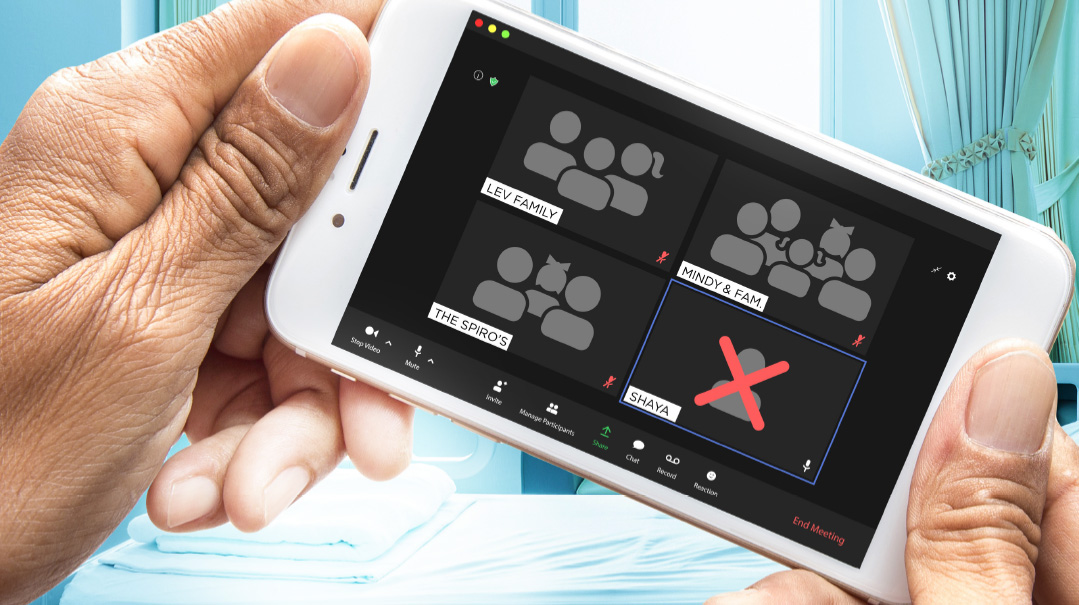
When a loved one is in the hospital, your routine is just different.
My father wasn’t young, and we’ve had minor scares and medical crises over the years. Now, though, his health was deteriorating rapidly. He was suffering from kidney failure and on dialysis while we frantically searched for a donor. And for the past few weeks, he’d been suffering from recurring fevers whose source the doctors couldn’t identify. He’d been in the hospital for several weeks already, and things were stable, but the situation wasn’t encouraging at all.
My sister and I both live nearby, and we each visited daily. I’d come straight from work, stay for a few hours, sometimes overnight if things weren’t looking good. Chassi came around midday and spent the afternoon there. My wife, Raizy, took shifts every so often, and the children and grandchildren visited when they could — which was revitalizing to my father. He lived for these visits, the company, the interaction, and especially, the eineklach.
It was heartbreaking to see him like this, so fragile, so dependent. On the one hand, the fact that he was still completely focused and aware — his mind clear, his speech fluent — was a tremendous brachah. On the other hand, he was frustrated, bored, and lonely. I felt helpless watching him clinging to the vestiges of his dignity while losing his physical abilities. What could I do, though? But I was determined to do whatever I could to keep up his morale, to keep visiting, to learn with him whenever he felt up to it, and to try to ensure a steady flow of other visitors.
Create a free account to keep reading.