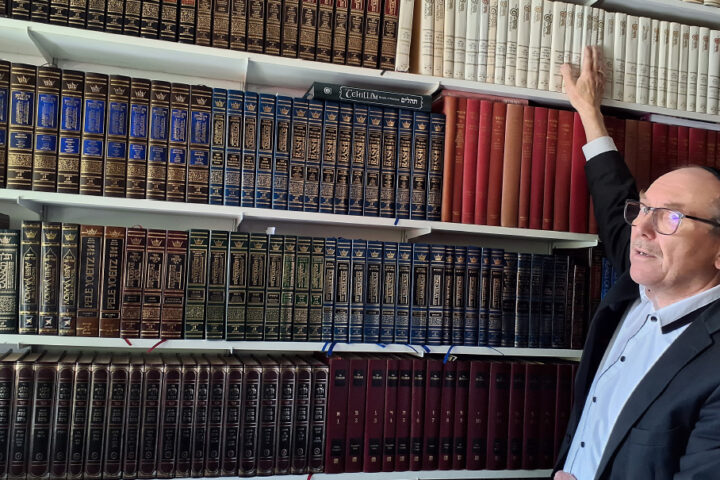
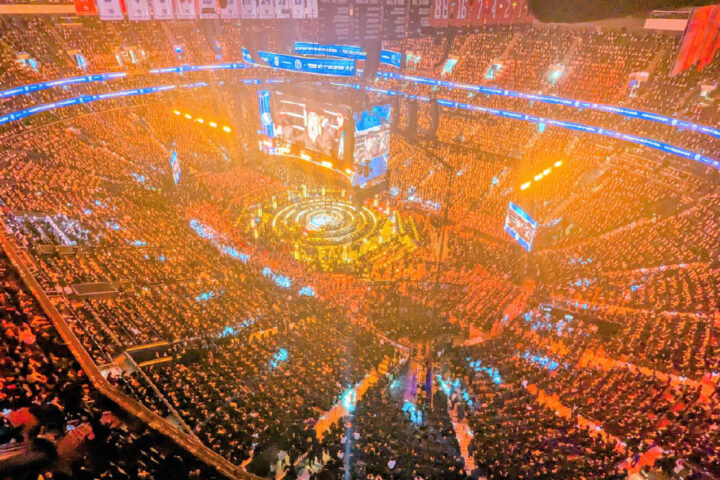
When Jews can’t wear a yarmulke or won’t wear a Magen David, this is very worrisome
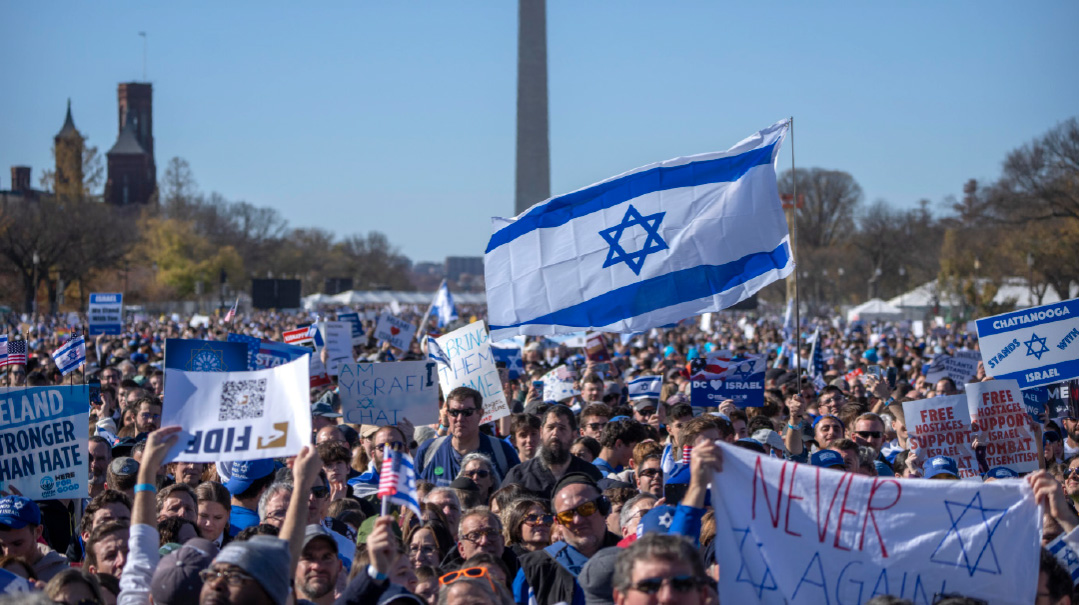
Our generation took our secure position for granted in the post–Cold War period. We feel as if we have just gone through a sort of golden era — but during that whole time, pro-Palestinian groups were expanding their anti-Semitic efforts, with BDS, and with building networks in the universities. We are now seeing the product of all that.
When Jews are so intimidated that they can’t publicly express themselves or identify as who they are; when Jews can’t wear a yarmulke or won’t wear a Magen David, this is very worrisome.
Although Israel still retains the support of the vast majority of the American people, of the members of Congress, and of elected officials, this is not something we can take for granted. There is a growing chorus of extremist voices that is crowding out the center, and the longer the war goes on, the greater the challenge this chorus presents. These voices have begun to impact the political process in an election year. We have to work harder to make Israel’s case, and Israel has to do a better job of presenting its own case, because the facts support our side much more than people know. But we have to know what we’re up against.
The American people want to be with Israel, but they are being pulled hard the other way. We must understand that we have come to this situation mainly because the opposition is much more active. They are well funded, and they have made common cause with other elements fighting for other issues, in an emerging trend called “intersectionality.” Causes that have seemingly nothing to do one with another, like climate change and “free Palestine,” join forces, and then we see Palestinian flags at climate marches.
Create a free account to keep reading.