Being quiet is the only way some little children know how to scream for help. A closer look at selective mutism — the causes, the hardships, and how parents can help their kids find their voice again.
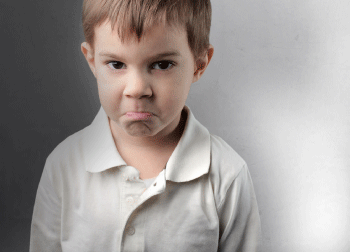
At four and a half years old Adina* is a friendly — if shy — preschooler. When she’s at home she loves to color play with her dolls and “read” to her baby brother. In school however things are entirely different. Whenever anyone speaks to Adina the only response they receive is a shake of the head or a nod. Adina won’t participate in show-and-tell and she sits alone at circle time never opening her mouth to daven sing or shout out answers like the other little girls. She won’t even whisper. In fact Adina’s teachers and classmates have never once heard her voice.
Adina is a selective mute. She can speak normally and does so freely at home where she feels safe and protected. But in the classroom setting she retreats into a shell and refuses to verbally communicate no matter how hard her teachers try to draw her out.
Behind the Silence
The American Psychiatric Journal defines selective mutism as a child’s inability to speak in a social setting generally a classroom despite a clear ability to speak in familiar places such as the home. To be diagnosed with selective mutism specialists look for a pattern of speechlessness that lasts for more than one month not including the child’s first month in school.
The disorder can have a range of manifestations: from mild cases where children won’t talk to teachers but have no problem chatting with peers to extremely severe cases where a child will speak only to immediate family members and not communicate with others at all even through nonverbal means such as gestures or facial expressions.
Create a free account to keep reading.