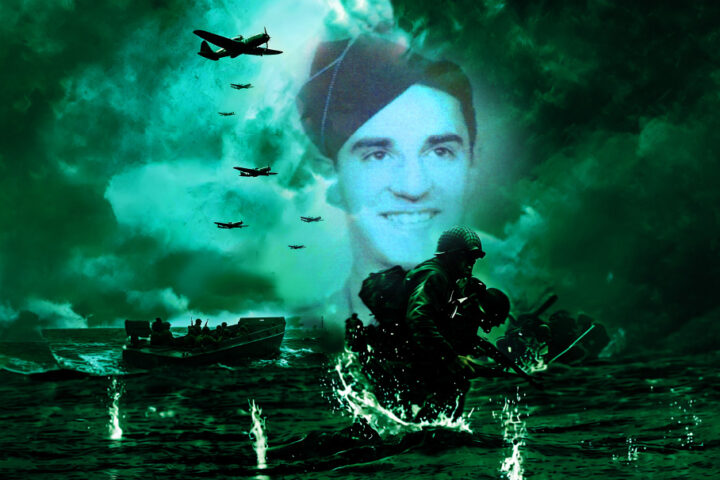
Despite the frustration and the lack of a sense of accomplishment, Mike Tress continued tirelessly in his efforts at fundraising and rescue
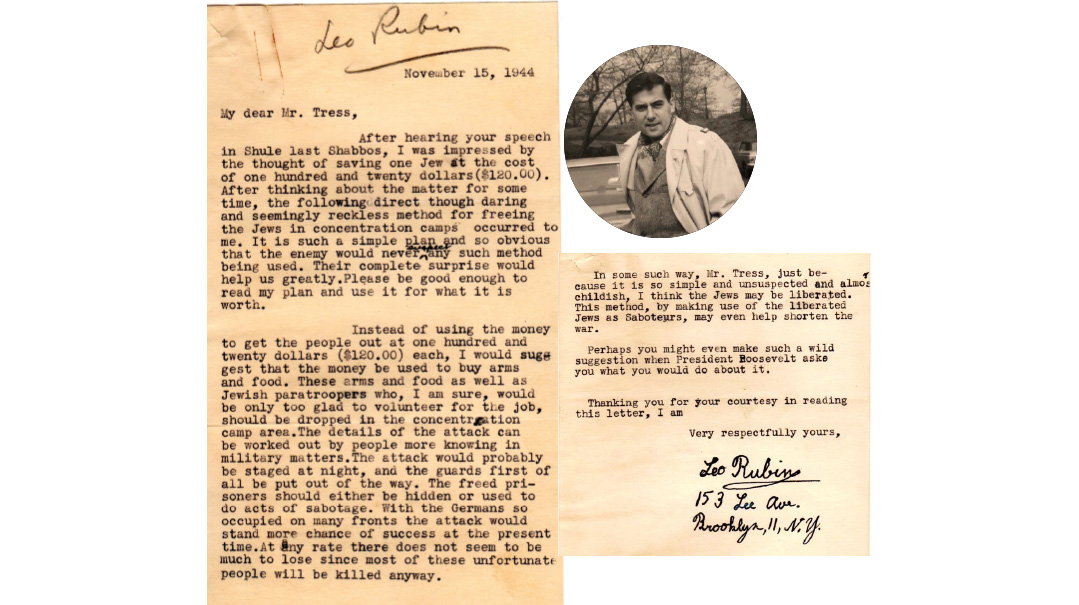
Following the shock of Kristallnacht in November 1938, Mike Tress of Zeirei Agudath Israel established the Refugee and Immigration Division of Zeirei, which dealt with Jewish refugees of all stripes fleeing Nazi Germany and Austria, even prior to the war’s outbreak in 1939. For over four years, from 1938 to 1942, Mike Tress and Zeirei obtained visas, filed immigration applications, procured affidavits, lobbied the State Department, and assisted the few who succeeded in arriving in the United States.
On June 22, 1941, Nazi Germany invaded the Soviet Union with Operation Barbarossa, and began murdering the Jewish population within those territories en masse. Toward the end of that year, the Nazi leadership decided to implement the Final Solution, the total extermination of the Jews of Europe. Late 1941 and early 1942 saw the establishment of gas chambers at the death camps of Chelmno near Lodz, Belzec, Sobibor, and Treblinka in eastern Poland, and Operation Reinhard — the deportation of Polish Jewry to the death camps — was launched in the spring. By the end of the year, most Jews in the occupied Soviet Union and Poland had been murdered.
By September 1942, Mike Tress began to hear about the mass murders in the east from his World Agudath Israel channels of information. This was corroborated in December, with the announcement by Poland’s government in exile in London that a mass extermination of Polish Jews was taking place. In reaction to the devastating news, Mike Tress shifted gears from visas and affidavits to more ambitious and bold rescue operations. By late 1944, various schemes, including bribing Nazi officials to spare Jewish lives, were proposed in ever more desperate attempts at saving at least some of the helpless victims.
Mike Tress engaged in prodigious fundraising efforts, funneling desperately needed funds through the recently established War Refugee Board, and through his own contacts such as Isaac and Recha Sternbuch in Switzerland. Though the majority of these ransom attempts didn’t materialize, there were rare exceptions. In one notable instance, 1,200 Jews were released from Theresienstadt in the final months of the war as a result of negotiations. Despite the frustration and the lack of a sense of accomplishment, Mike Tress continued tirelessly in his efforts at fundraising and rescue.
Create a free account to keep reading.