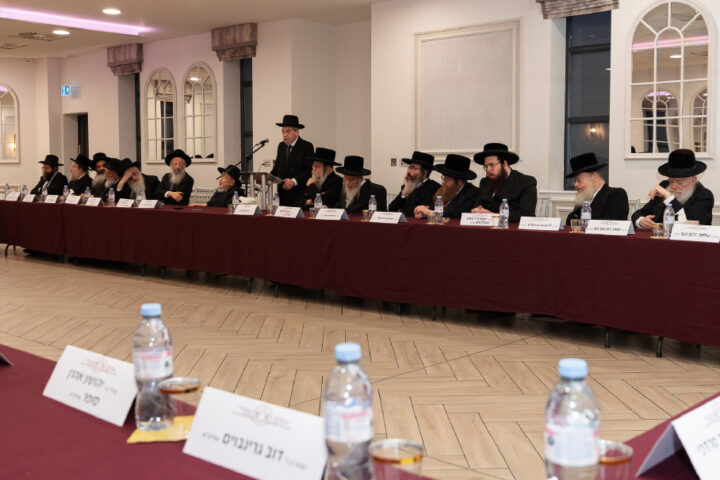
The sharp rise in the number of chareidi votes can be credited— or debited— to the outgoing government

“ATthe moment of truth,” the chareidi parties’ election slogan said, “we are all chareidim.”
That slogan, it turns out, is rather accurate. Despite all the internal tensions that threatened to tear the United Torah Judaism party in two; despite vociferous complaints about lack of representation for certain communities in the chareidi sector; despite the increased appeal of the National Religious party — when zero hour arrived, a resounding majority of chareidi voters suppressed their grumbling and voted for United Torah Judaism or Shas.
Last week’s chareidi victory cannot be attributed to any campaign guru or PR whiz. This result reflects a much deeper reality. In recent years, Israeli politics has adopted for itself the word “gevald” to describe the scare campaigns on the eve of elections, when politicians rally their bases with the message “if you don’t vote, things will be terrible.” In the case of the chareidi parties, that “gevald” was justified.
The sharp rise in the number of chareidi votes can be credited — or debited — to the outgoing government. The actions of this government prompted the average, even lukewarm chareidi voter to overcome his misgivings and to choose a government in which chareidim can join the reigning coalition.
Create a free account to keep reading.