The difficult experience of Lag B’omer 5782 can perhaps be rectified on Lag B’omer 5783
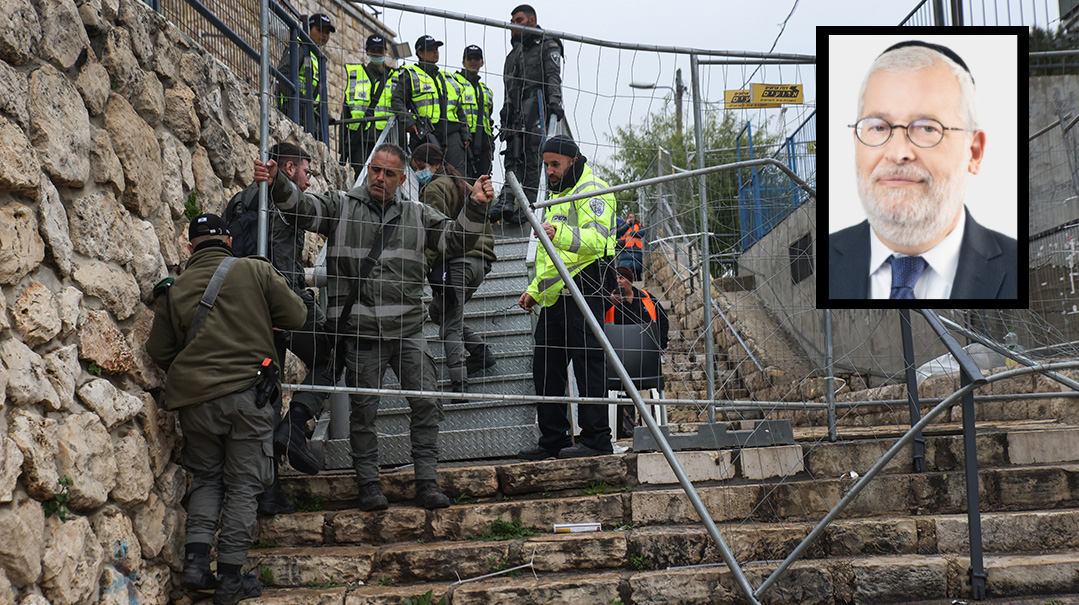
More than anything, Lag B’omer of 5782 was a missed opportunity. A community in pain offered trust and the potential for change, but the authorities squandered their chance to make good on that trust.
Last year’s Meron tragedy, resulting in the deaths of 45 and grievous ongoing injuries of another two victims, generated a universal consensus among hundreds of thousands of people who visit the site each year: There was no choice but to recalculate.
To the casual observer, it may have seemed like a mere trifle to achieve that consensus. Surely something had to change, and surely everyone agreed. But anyone familiar with the sectors and the subsectors of the different communities involved in the yearly pilgrimage to Meron would have known that this consensus was an incredibly rare feat.
How exactly should Lag B’omer be run in Meron? Ask ten people, and you’ll get at least ten different suggestions. What was unique about this unusual consensus was the understanding that someone might actually know better, that there was value in allowing the authorities to make decisions and set policy.
Create a free account to keep reading.