One of Binyamin Netanyahu’s main decisions, should he form the next government after the January 22 elections, will be if he can live with a coalition that includes chareidim. Perhaps the bigger question is whether the chareidim can live, politically, with each other.
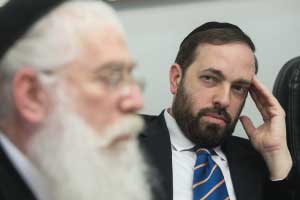
The man with the long white beard is Meir Porush one of the few United Torah Judaism members to serve in the IDF. As housing minister in the 1990s he shares credit for the construction boom and development in chareidi cities such as Beitar Illit and Modiin Illit.
Atias and Porush share two other similarities. Both are “seeded” third on their respective party slates in the upcoming January 22 election and both sat side-by-side sometimes tensely in Mishpacha’s conference room last week for a wide-ranging discussion of the major issues facing the electorate.
Two men with two distinctive approaches to Yiddishkeit and politics. That’s par for the course — and normally no cause for concern. So why are people worried?
The average chareidi voter approaches Election Day with trepidation — with the perception that chareidi parties have failed to deliver the goods. That perception is reinforced by a series of legislative setbacks including the loss of IDF deferments and funding cutbacks to the yeshivah world. More than ever chareidim find themselves on the defensive against claims they are not pulling their weight in Israeli society.
Create a free account to keep reading.