Israel needs to ramp up arms production — and wean itself off American aid
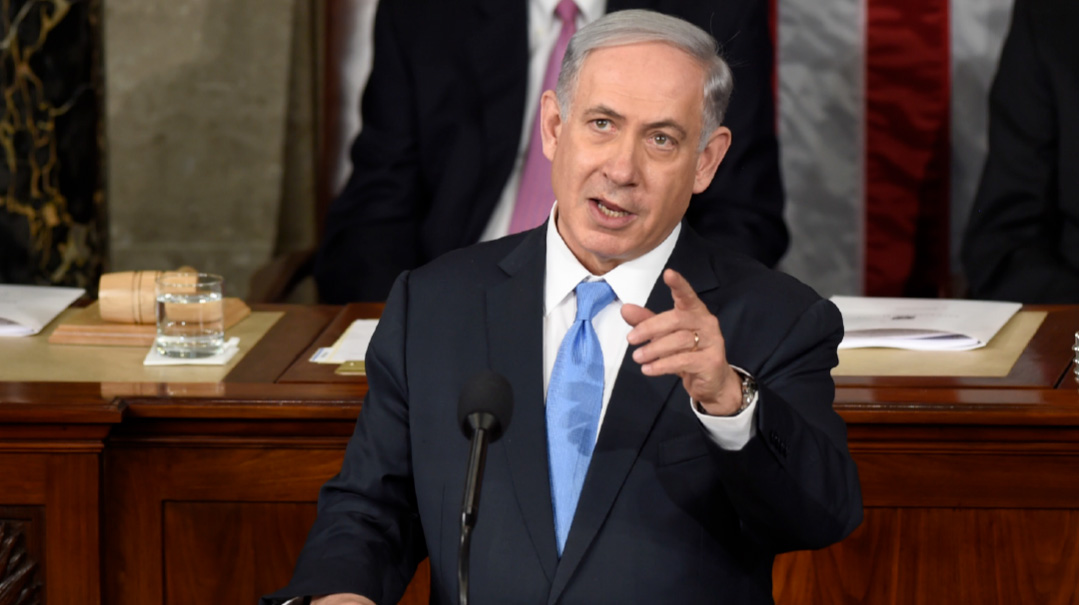
His first congressional address in July 1996 came within a month of forming his first government after he defeated Shimon Peres in a direct election for prime minister.
Bibi brought down the House (and the Senate) when he said: “In the next four years, we are going to begin the long-term process of gradually reducing the level of your generous economic assistance to Israel. And I am convinced that our economic policies will lay the foundation for total self-reliance and great economic strength.”
Bibi kept his word. He and President Clinton negotiated a deal for a ten-year phaseout (1998–2008) of America’s annual $1.2 billion economic assistance grant. It wasn’t a total loss — half of the reduction was added to Israel’s existing $1.8 billion annual military aid package.
The phaseout did not faze Israel’s economy. According to the World Bank, Israel’s GDP, a measurement of economic output, grew from $120 billion to $220 billion during those ten years. Today, Israel’s GDP is above $500 billion and continues to prosper without US government largesse.
Create a free account to keep reading.