For most of us, Covid restrictions made last year’s Yom Kippur very different from any we had experienced in the past. Many went without their usual makom kavua; davening was outdoors, and even if it was indoors, seats were spaced far apart. In many cases, the pace was much faster and the tzibbur was smaller than usual. With the increase in minyanim, many untrained baalei tefillah took the amud, some of whom were not proficient in nusach and did not know the tunes the tzibbur is accustomed to. All of this led to a Yom Kippur that looked, felt, and sounded different from anything we remember.
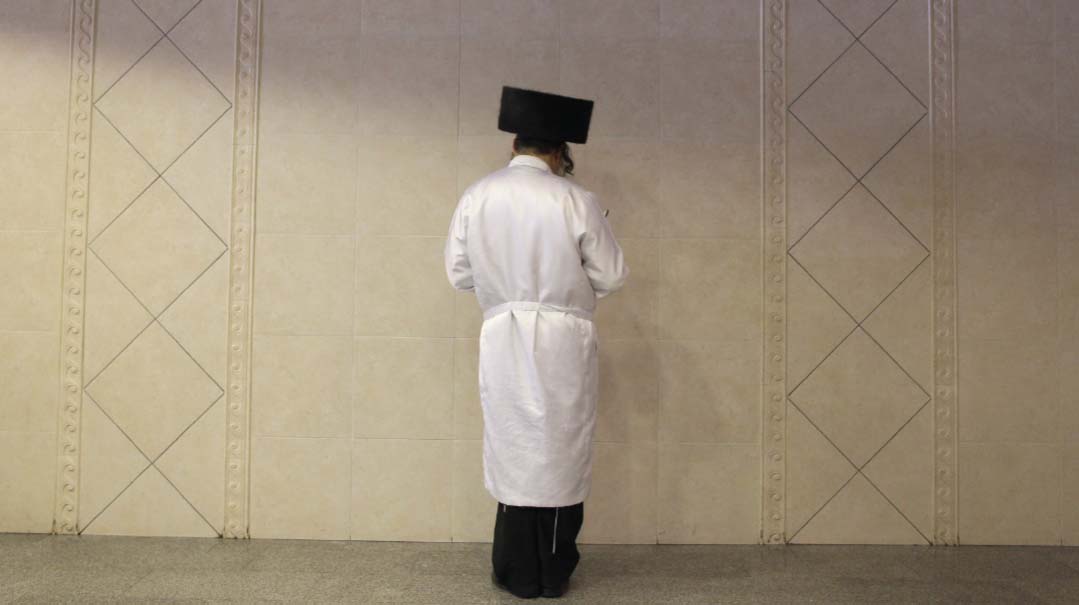
For me personally, last Yom Kippur held one additional difference: I was completely alone. No one was with me, not even my children. I was quarantined because one of my children had tested positive for COVID-19 right before Yom HaKadosh. I davened in my dining room, with no tzibbur, no chazzan. I could hear only my own very often off-key voice.
Nonetheless, as I sat down to eat on Motzaei Yom Kippur and looked back on my day, I realized just how special it was. I wouldn’t wish such a Yom Kippur on anyone, but spending the day alone had real value — it made my experience of Yom Hakadosh even more meaningful. Here are some things I noticed.
I was able to daven at my own pace. I did not feel rushed to finish Shemoneh Esreh; no one was waiting for me to finish. I did not look at the clock for almost the entire day. Fortunately, I took a peek right as I was about to finish Shacharis, and realized that the time for Minchah was approaching. I realized then that I had to rush; I didn’t want to enter the sh’eilah of what to say first, Minchah or Mussaf, when one is davening b’yechidus.
Create a free account to keep reading.