A group of Guatemalans embraces Torah and chassidus
It used to be hard not to be Catholic in South America, with over 90 percent of the continent’s population adhering to that religion. But those numbers have declined in recent years, and the religious vacuum and a search for religious identity mean that many have become evangelical Christians who feel attached to the Old Testament and to Eretz Yisrael — yet within these groups, some members moved further, abandoned Christianity altogether, and ended up aligning themselves with Judaism in spite of the hardship and rejection.
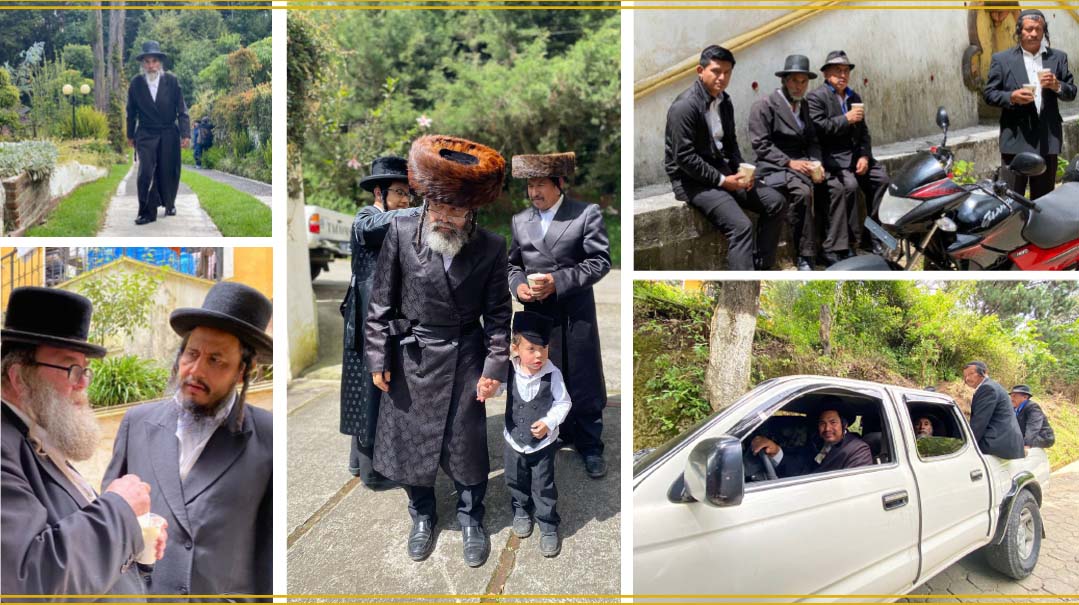
And that was the big surprise of the Ohr Chadash community of geirim in the village of San Lucas Sacatepéquez on the outskirts of Guatemala City. Entering the shul of these former Christians, most of them descended from the Central American Maya people, at the end of a regular morning Shacharis, you’d think you were in a mainstream chassidish shtibel. The chazzan finishes Kaddish while the tzibbur answers Amen (“umain”) in chassidic dialect, a young bochur wearing a long rekel and chassidic “Samet” hat kisses his tefillin, while a young avreich with long curled peyos prepares Gemaras for the shiur that’s about to start.
But then you notice the jungle foliage visible from the open windows, the Sierra Madre mountain range, the exotic toucan birds and spider monkeys jumping from the treetops, and the elderly man with the white beard and curled peyos swaying next to his shtender and shteiging away in Yiddish laced with inflections of Spanish and the ancient regional Mayan language. Mayan natives with curled peyos speaking Yiddish, affiliated with Satmar chassidus? How did that happen?
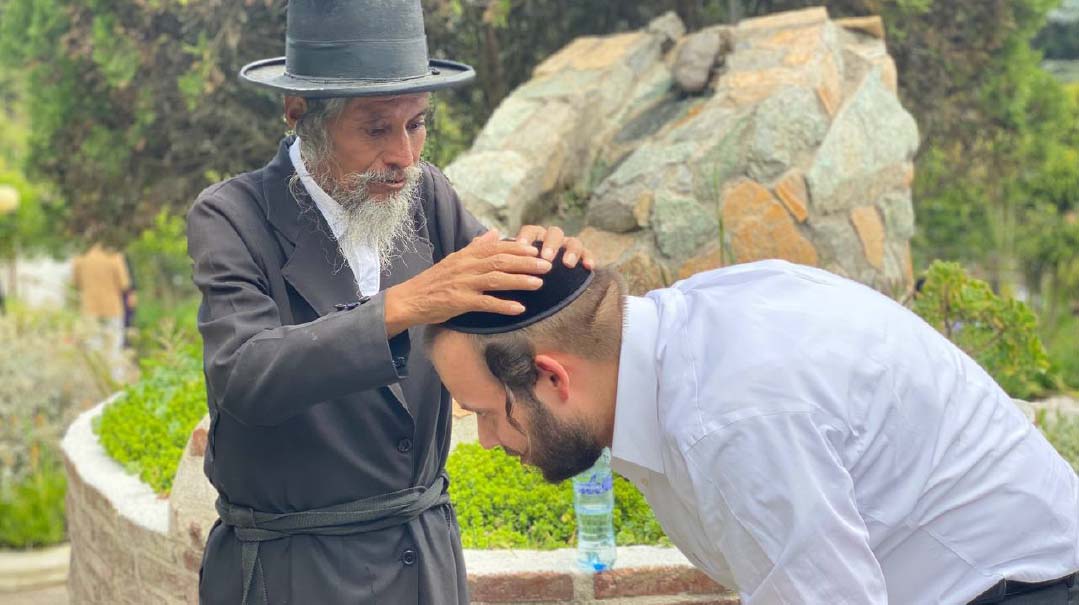
There is a festive atmosphere today in this small community of geirei tzedek in San Lucas, which currently numbers some 40 families. It’s not every day that two members of the community marry according to Jewish law. Among the guests at the marriage of Yisrael Moshe ben Avraham Zilberstein (a name he chose) and Nechamah Rus are several Satmar dayanim from New York, who serve as the spiritual guides for the Guatemalan community, as well as a few donors and askanim who’ve been a support for the community’s institutions and activities.
Create a free account to keep reading.