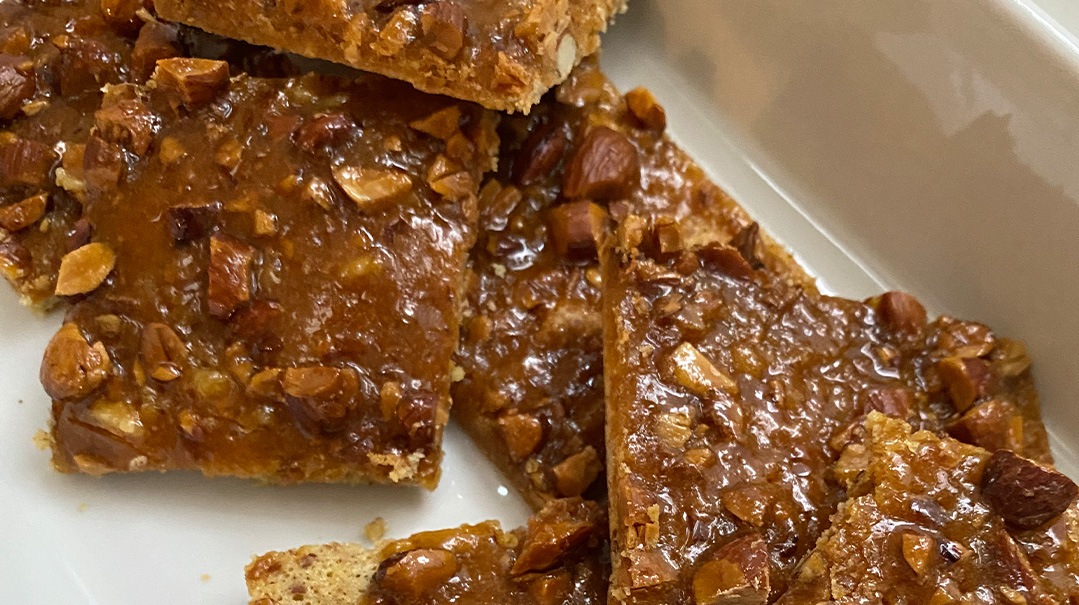
The good news was that it was the Friday after Simchas Torah, and my fridge was packed. But it was really important to me to make a few new things for Shabbos, so I made some dishes, prepped a few more, and ran out the door for an errand.
I got home too close to Shabbos to make anything else, which was technically fine because we had a house full of food, but I was still disappointed that I didn’t have the opportunity to make/finish the foods I wanted to make.
This week, we’re lucky enough to have our editor, and the role model of so many countless women she’s never met, Bassi Gruen, share her approach to Shabbos with us. What stood out for me, and what I kept thinking about as I was on hold with roadside assist, was how Shabbos prep in the Gruen home starts on Monday.
I’ll be honest, I usually discourage making too much food so as not to overwhelm our systems. But really, it’s Shabbos! What do our kids hear us focus on? Being “done” or making special foods and an abundance for Shabbos?
Create a free account to keep reading.