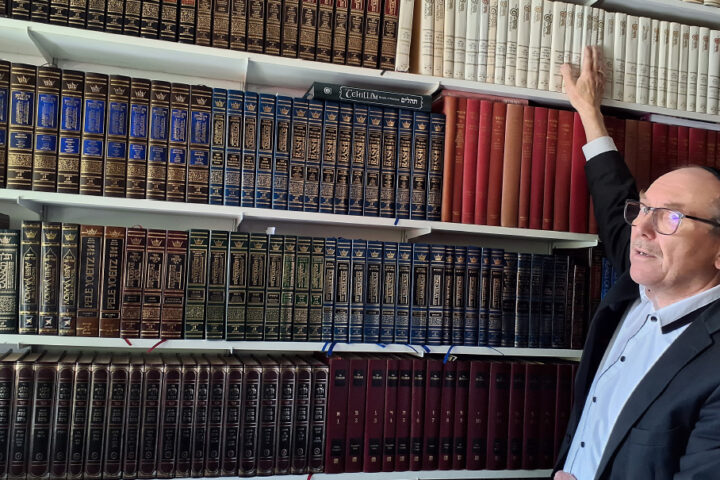
“Rabbi, this is likely the last Ketzos that will ever be sold in America!”
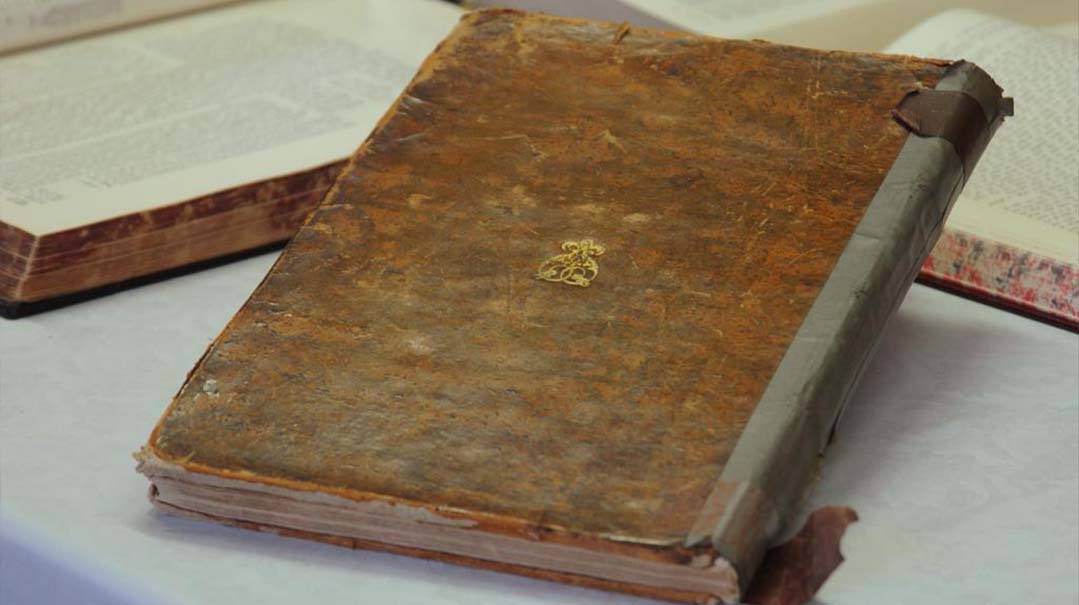
The story of Torah’s rebirth in America opens with an episode that has been enshrined in the annals of American Jewish history. Shortly after the wartime arrival of Rav Elya Meir Bloch and the reestablishment of the Telz Yeshivah in Cleveland, he visited a seforim store on New York’s Lower East Side in search of the sefer Ketzos Hachoshen. The owner of the store reached up to a dusty shelf and pulled down the single copy in stock.
Handing it over to his illustrious customer, the proprietor declared, “Rabbi, this is likely the last Ketzos that will ever be sold in America!”
The ultimate optimist, Rav Elya Meir demurred. “The Torah that was lost will be rebuilt and the kedushah restored. And when that happens, you will see that more Ketzos HaChoshens will be sold than were sold from when the Ketzos wrote it until now!”
In the background of this the story looms the prime role that the Sefer Ketzos Hachoshen has played in the modern yeshivah world and Telz in particular. Rav Aryeh Leib Heller (1745–1812) was a descendant of the Tosfos Yom Tov, and he wrote his classic while serving as rav of Rozhniativ in Galicia, where he resided in abject poverty. It was said that his writing table was a board laid between two barrels, and in the winter, without wood to fuel his furnace, he wrote under his blanket. He kept the ink under the blanket too, to prevent it from freezing.
Create a free account to keep reading.