Matti Dushinsky transformed a challenging childhood into vibrant art
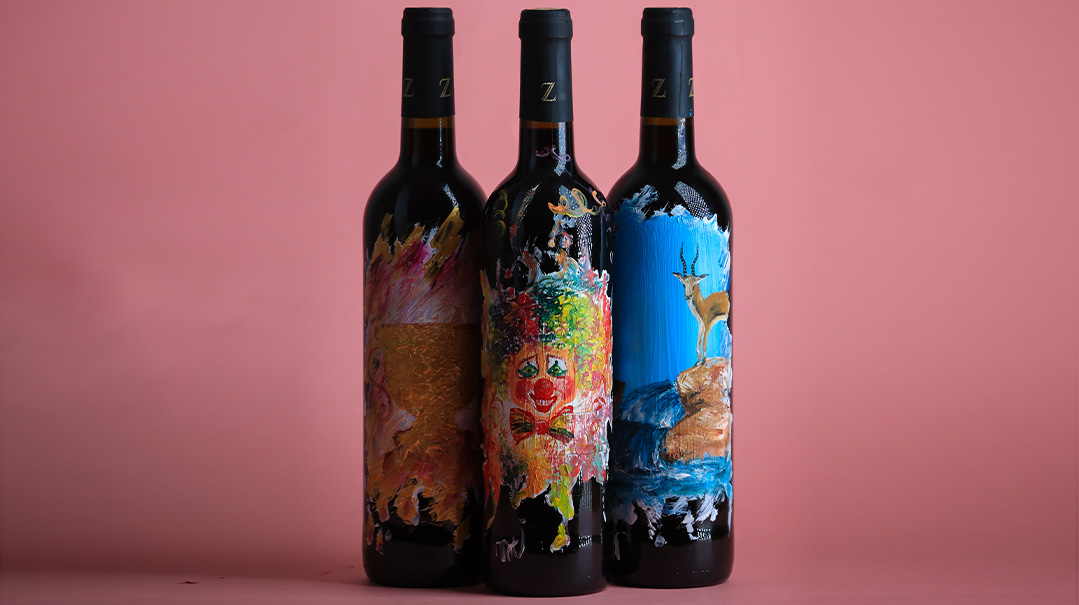
It’s a sunny winter’s day when I make my way through the concrete jungle of Beit Shemesh’s Cheftziba neighborhood to visit artist Matti Dushinsky. The buildings are tall, crowded together, and plastered with apricot-colored cement, some of the facades decorated with Jerusalem stone in a polite nod to aesthetics.
The only indication there’s an artist living in an apartment off this stroller-strewn lobby is the door plaque, covered in green swirls — emerald and lime, forest green and aqua — with Dushinsky inscribed in elegant gold lettering.
Matti’s apartment is small and spartan. A sagging Formica bookcase, a scratched dining room table, and a cracked faux-leather couch are the only furniture in her living room — reflecting her humble beginnings in the alleyways of Meah Shearim.
The simplicity surprises me, I expected an artist’s home to be beautiful, and Matti picks up on that.
Create a free account to keep reading.