Two years after he fell in battle in Gaza, Binyamin Airley’s quiet legacy lives on
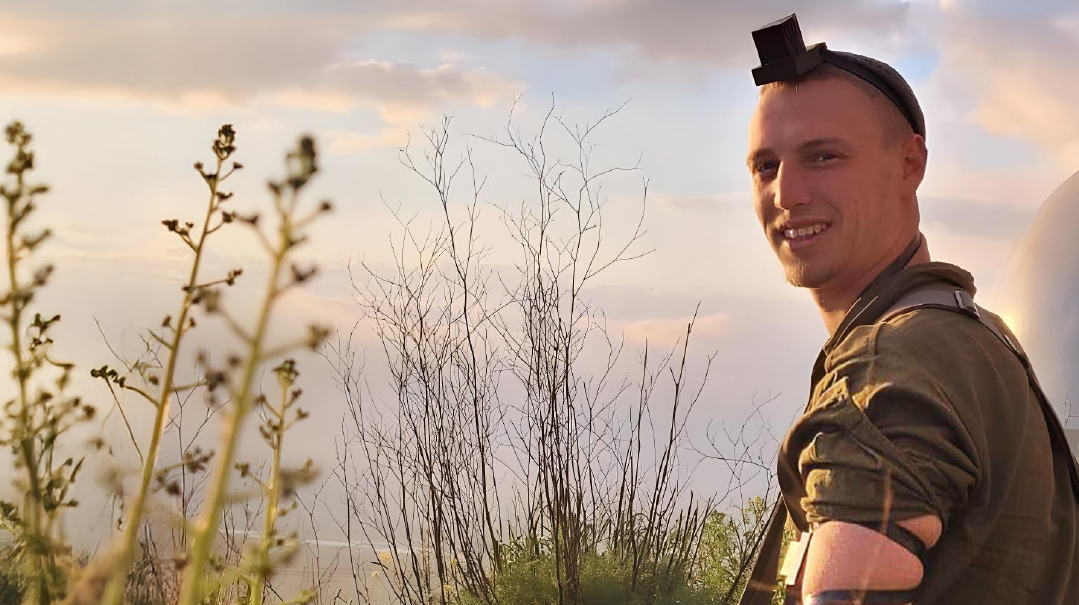
“Hashem must love Beit Binyamin,” Jen says thoughtfully. “He keeps making amazing things happen with it. We’re not usually involved with the day-to-day running of it, but we go up occasionally during the week or to spend Shabbos with particular retreats and stay low-key. Most people don’t realize it’s in memory of our son, they just think we’re another bereaved family visiting.
“One time, there were two separate miluim families there, and one of them recognized us from a family picture. ‘You’re the Airleys. You’re Binyamin’s parents,’ he told us. Then he said, ‘I was there. I’m a rabbi in the army and I was at Machaneh Shura when Binyamin’s body was brought there. I dealt with his body.’ That was a very special moment, a kind of closing of a circle for him and for us.”
Again, Jen pulls out her phone and plays a voice note from the director, telling her of an amazing incident they’d had that past Shabbos. A bereaved family had come for the weekend, after discovering Beit Binyamin when they googled “vacations for bereaved families.”
They were so moved that the Airleys, bereaved like them, had been able to get back on their feet after their loss and open up a retreat center. They said that since their child had been killed, they had trouble getting up every day, had hardly left the house, felt they couldn’t function. But now they felt that their “shivah” was finally over, and that if another family in their situation could getup in the morning and give, they could, too.
Create a free account to keep reading.