Biden spurned Saudis, now it's payback time
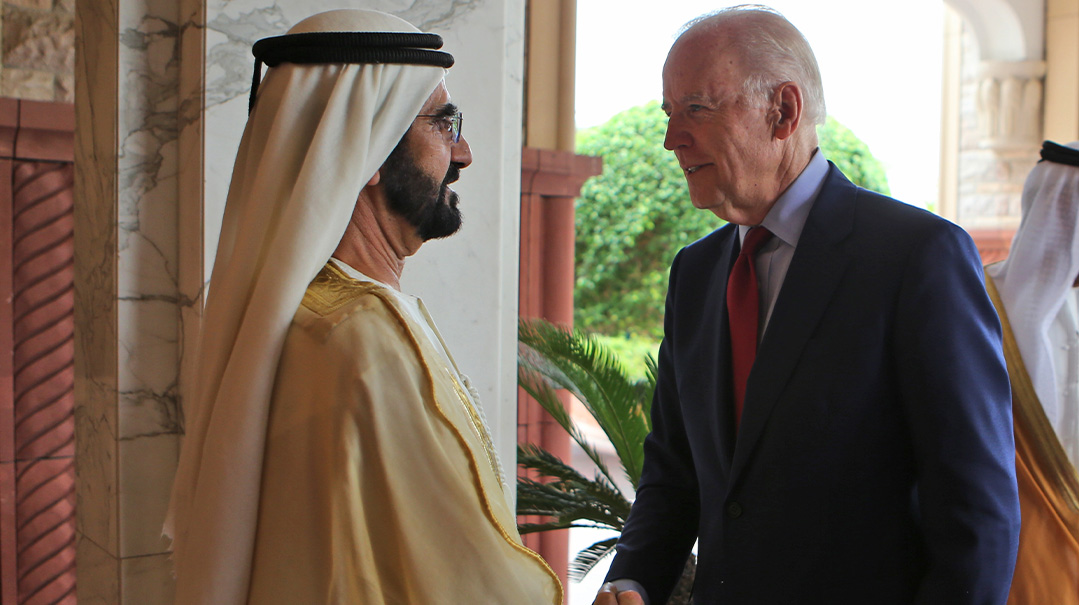
“The Biden White House has picked sides when it comes to our allies and our adversaries, and… let’s put it this way, our allies are perplexed, and our adversaries are pleased,” says Michael Pregent, senior fellow at the Hudson Institute.
When Biden entered office last January, the mission he undertook in foreign policy was immediately decried by many analysts as impossible. Theorists have debated for centuries on whether considerations of morality should be the basis of a state’s foreign-policy decisions.
The reality, of course, is complex, and depends largely on circumstances. A small, poor country may not carry any weight in America’s foreign relations, but what about a strong, prosperous country? Historically, the conventional wisdom has held that interests outweigh values. That is, every democratic country ideally aspires to distance itself from autocratic regimes. But when the ideal comes into conflict with national interest — be it security, energy, or trade —interest usually wins out.
But Biden insisted during his campaign that all this would change under his administration, and primacy would be given to human rights in all foreign policy decisions. So, for example, the State Department decided in a rare move to withhold part of its aid to Egypt due to the country’s human rights violations. The fact that Egypt is a key American ally in the Middle East made no difference.
Create a free account to keep reading.