The question is whether the world needs the US leadership. And how will things look if America keeps reducing its global involvement?
But while all the participating countries (Israel, the US, Bahrain, the UAE, Egypt and Morocco) share warm and close relations, something in the dynamic was different this time.
With the US an inch away from signing a nuclear deal with Iran, and dramatically scaling down its presence in the Middle East, many Arab countries suddenly find themselves on the same side as Israel. This is nothing less than a groundbreaking development, unimaginable mere decades ago, when Israel and the US walked hand-in-hand — often in opposition to a united Arab world.
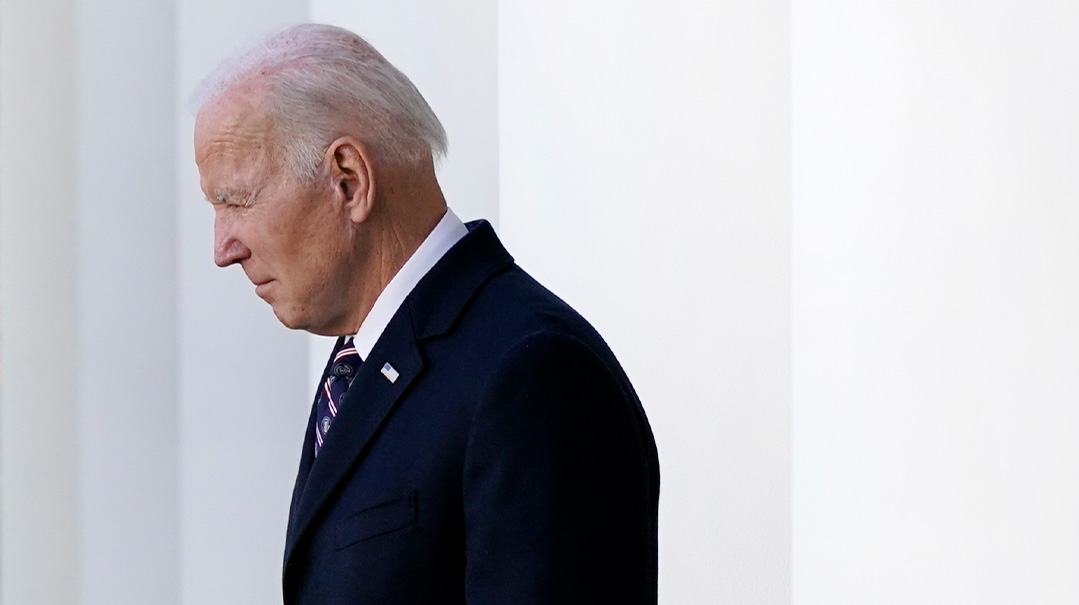
But now the Biden administration has made clear that the Middle East is not very high on its list of priorities, having been overtaken by China, Russia, the coronavirus, and climate change.
And there’s another aspect at play. The United States has tired of playing the role of global policeman, taken on largely after 9/11, with the invasions of Afghanistan and Iraq. But Saddam Hussein and Osama bin Laden are both long gone, and the generation of American service members who saw them out — many of them now serving in Congress — takes a different view of US intervention in overseas conflicts. In the eyes of many, interventionism has cost America trillions of dollars and a high death toll, while any benefits are hard to measure objectively.
Create a free account to keep reading.