Rav Mordechai Hager, the spiritual leader of Vizhnitz-Monsey, survived the war with his family, and then set out on his next daunting quest: to rebuild Vizhnitz chassidus in America,Clouds of Faith
T he beis medrash building is pulsing with action. Boxes of bread are stacked up in the hallway cases of milk have been unloaded in advance of breakfast — still several hours away. The door to the mikveh swings open and closed as chassidim emerge pure and ready for a new day. And the sun hasn’t even peeked over the horizon.
At the end of long hallway heavy wooden doors open to the kollel. From afar you can hear the din — chavrusas shouting speaking and whispering in learning.
Welcome to Vizhnitz-Monsey a chassidus that is as traditional as it is vibrant. It’s a court founded on several principles — first among them kevias ittim laTorah fixed times for learning. The Rebbe pioneered the concept of the “sha’os tzet’l” a note each chassid brings to the Rebbe once a month listing his sedorim and a precise accounting of his learning.
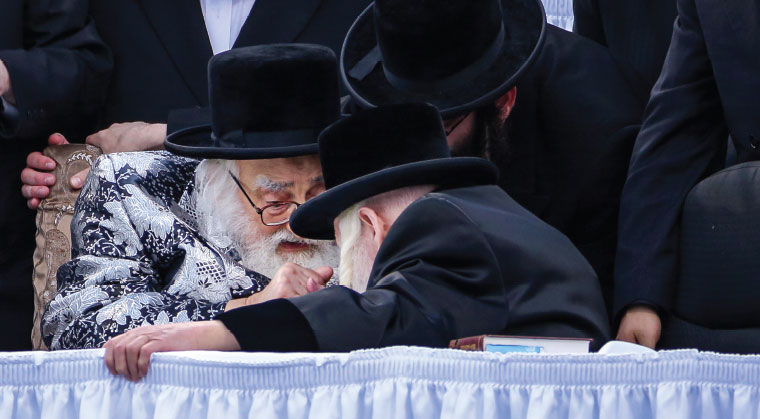
The central beis medrash a sprawling white structure that is the informal hub of the wider Monsey community is filled at all hours with people learning — the chassidim know it’s the surest way of finding favor with their Rebbe. Soon these assembled masses will join in the main beis medrash for Shacharis. Though the Rebbe doesn’t always come to davening — in recent years he hasn’t been feeling well — when he does it’s a Yom Tov. Though he sits nearly motionless in his seat his presence alone sends a current through the building.
Create a free account to keep reading.