While it’s a rite of passage to start riding in a car without a booster, making the change too early can have devastating consequences
Dr. Jennie Berkovich
Schlepping car seats and boosters between carpools and trips can be challenging. It’s no wonder that as soon as kids are old enough to ride without them, parents happily abandon these often unwelcome accessories.
While it’s a rite of passage to start riding in a car without a booster, making the change too early can have devastating consequences. Each year, thousands of young children are injured or killed in car crashes. Many of these tragedies could have been prevented with proper car and safety seats.
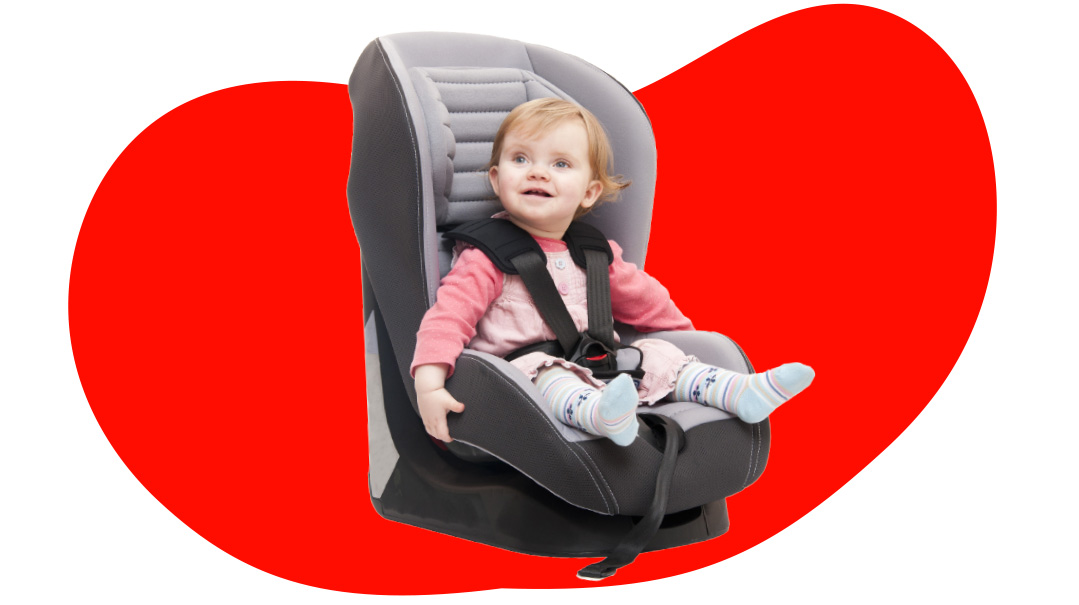
Infants and toddlers should start out in a rear-facing seat and stay in it as long as possible — at least until age two. It’s not uncommon for children’s feet to touch the back of the seat as they grow. This is safe and is not a reason to flip the car seat to face forward.
Toddlers and preschoolers can be moved to a forward-facing convertible or five-point harness seat once they’ve outgrown the rear-facing weight or height limit. Until children outweigh and outgrow the forward-facing limit for their car seat, they should use a belt- positioning booster seat either with or without a back. This typically doesn’t occur until they’ve reached four feet-nine inches in height and 10 to 12 years of age.
Create a free account to keep reading.