I feel an immense responsibility to understand the davening as much as possible, and to daven in a way that awakens souls
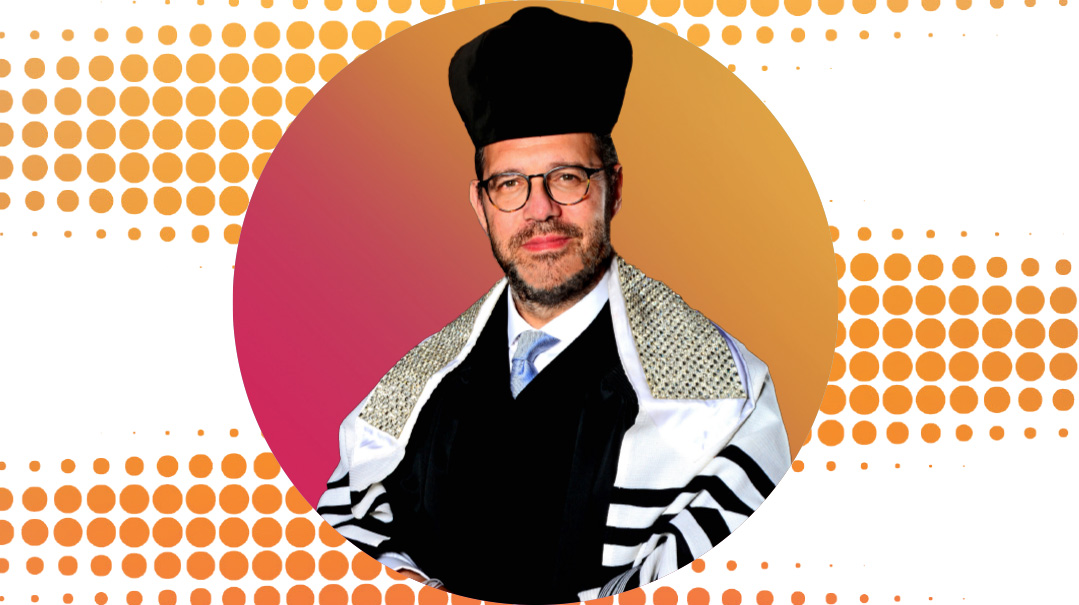
At the HGSS shul where I’m the chazzan, although shul attendance is not what it was pre-Covid, it is building up again, and we’re expecting 2,500 people coming through our doors for the Yamim Noraim. The main shul holds a thousand, and we have around seven types of services running in our building this season, such as the “overflow minyan,” the “young professionals minyan,” and the Sephardi services, as well as hundreds of children attending children’s services. I’m privileged to be working alongside our exceptional new rav, Rabbi Marc Levene, who has just joined us this year.
The mental strain of being in top form all the time, coupled with the physical strain. I live a couple miles away from my shul and I daven there both morning and evening, so the entire season involves a lot of walking, and a lot of long, intense davening, greeting hundreds of people, and sometimes fasting. But the energy of davening with 1,000 people davening and singing along is the wind in my sails.
I begin to think about the Yamim Noraim davening during the Three Weeks. During Elul, I make sure to set aside a day to drive down to the sea, because the water energizes and inspires me. I take along my machzor and refresh my understanding of the words and the tefillos. Since I lead the davening in a congregation where not everyone knows the meaning of the tefillos or understands the gravitas of the holy days, I feel an immense responsibility to understand the davening as much as possible, and to daven in a way that awakens souls, inspiring people to look over into the English and absorb the meaning of the words. It’s a privilege and a responsibility.
Our shul is a very Anglo congregation, and we daven in what’s known as “Nusach Anglia,” which has been used in this part of the world for a few generations. There are those snippets of nusach throughout the repetition of the Shemoneh Esreh where everyone joins along, like the repeated word “Ve-ne-e-mar,” where the chazan gives that musical touch and the crowd chorus it together. Then there are the traditionally-sung parts, such as “simchah le’artzecha vesasson le’irecha,” “zochreinu lechaim” and “veyeida kol po’ul.” I’ve been davening in my shul for 30 years, and this is a place known for congregational singing — everybody knows how and when to daven along, and waits for the chance to do so.
Create a free account to keep reading.