The sifrei Torah stored in Israel’s National Library have been on a long journey of their ownuntil they were brought safely to the Holy Land
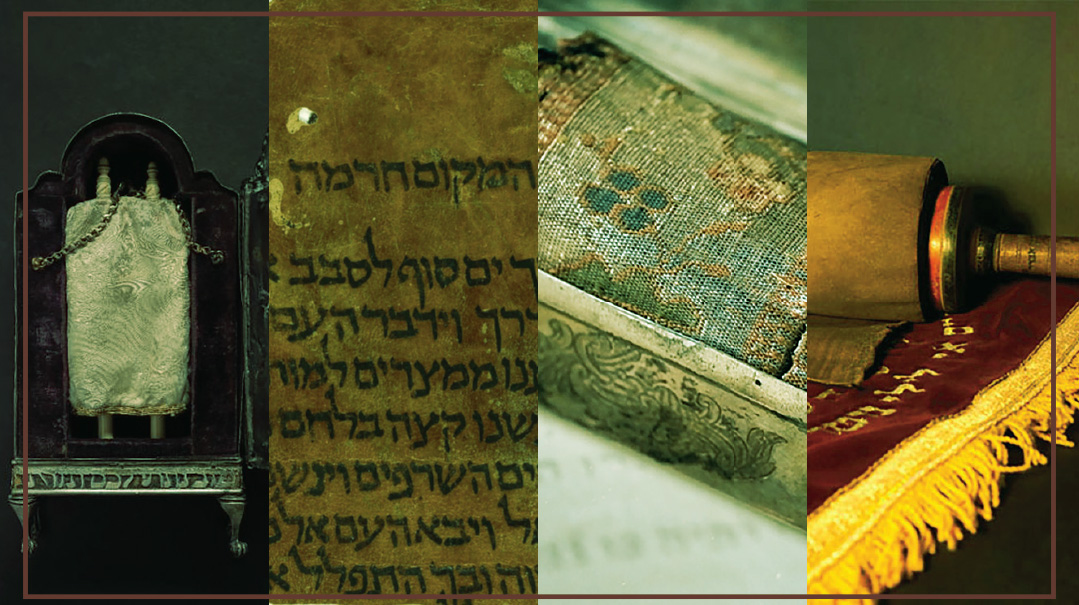
Among the millions of items traveling to their new home are a number of sifrei Torah. For many of these seforim, this short trip (the old building is less than a kilometer from the new) will be the culmination of a journey that took place over thousands of years and across countless miles.
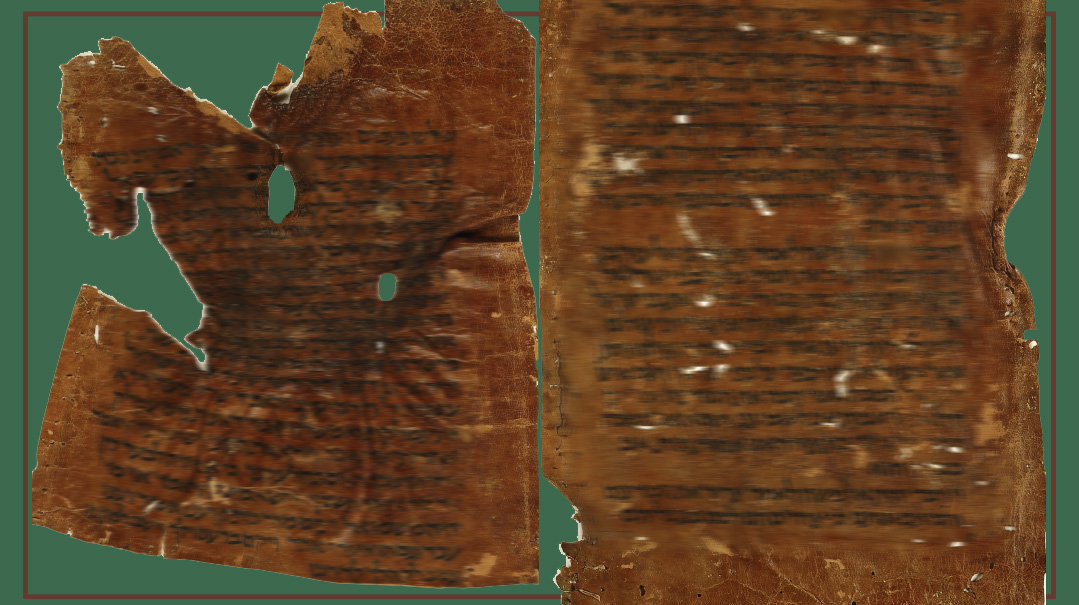
All that’s left of this ancient Yemenite sefer Torah are a few fragments, but it’s clear that the words haven’t changed
No one is certain when Jews first came to Yemen. Some traditions date the community back as far as the reign of Shlomo Hamelech, who is said to have sent Jews to Yemen to buy gold and silver for the Beis Hamikdash. Others connect the ancient kehillah to the time of the first churban; there are those who say that Yirmiyahu Hanavi sent 75,000 Jews to Yemen right before that tragic destruction. Archaeologists have found written records from almost 2,000 years ago that mention the building of synagogues in Yemen.
When printing began, bookbinders would strengthen the spines of the books by sewing parchment fragments into the bindings. Housed in an airtight vault in the National Library are fragments of an ancient Yemenite sefer Torah. These fragments, about 1,000 years old, were sewn into the spines of books and thus preserved. Holes in the Yemenite Torah fragments clearly indicate the bookbinder’s stitching.
Create a free account to keep reading.