Are you willing to embark on the hard work of unconditional giving? After studying how to maximize his own marriage, Reuven Epstein’s dynamic course helps couples reclaim theirs.
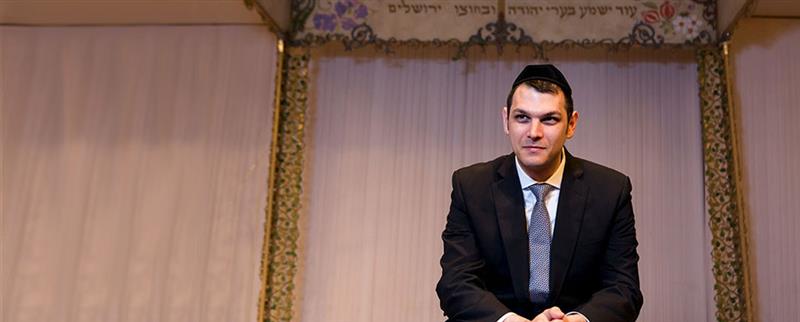

“It’s hard work” admits Epstein “But once you have that connection all the rest — money issues family issues housework issues — become details that can be worked out between you” (Photos: Amir Levy)
Yitz and Shevy were angry and frustrated. Yitz inspired by his new kollel decided it was time for him and his wife to raise their religious level. He wanted Shevy to shorten her wig and lengthen her skirts. He insisted that they eat only kemach yashan. Then he announced that they had to transfer their young son to a more right-wing cheder.
Shevy for her part was seething. “Out of the blue he starts imposing a zillion new chumras on me!” she railed. “This isn’t what I signed up for when I got married.” In turn Yitz was upset that Shevy wasn’t automatically seconding his proposals. After all isn’t a wife supposed to follow her husband’s direction?
Nachum and Suri were having problems of their own. Suri determined to be the best balabusta kollel wife and mother was a perpetual motion machine. She rose early to make sandwiches and prepare the children for school; at night she helped her kids with homework loaded the washing machine made sure to leave the kitchen spotless and caught up on work assignments. But Nachum instead of appreciating her hard work was spending less and less time at home. “It’s not fair. I do everything around here and instead of helping he disappears!” she fumed. But Nachum had complaints of his own. “Why should I hang around the house?” he asked. “Suri doesn’t pay any attention to me and when she does it’s always to kvetch about something or yell at me.”
Create a free account to keep reading.