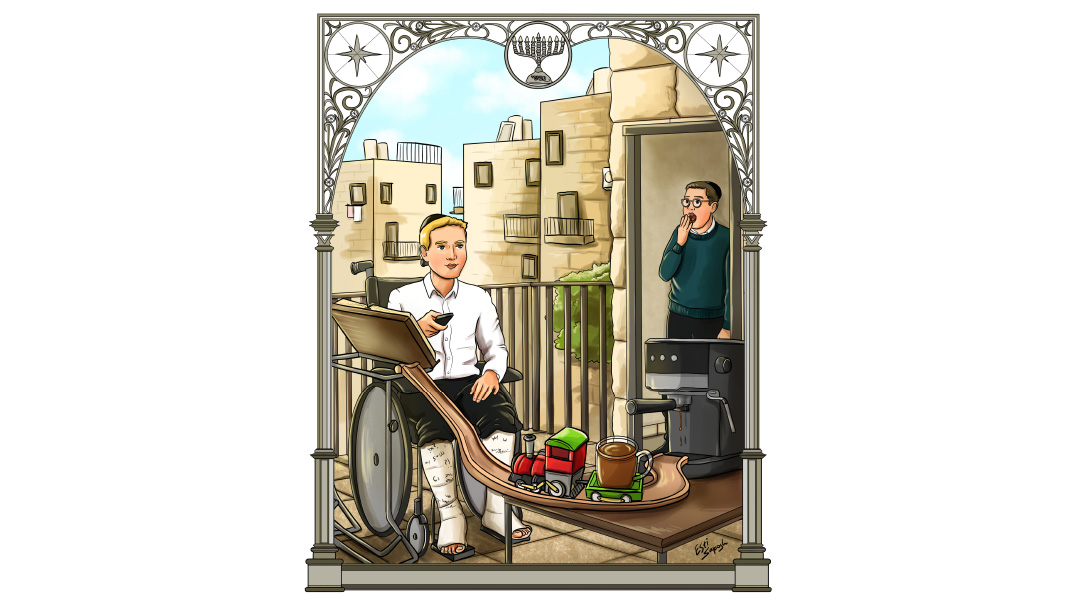
What ultimately facilitated shemiras Shabbos in the United States
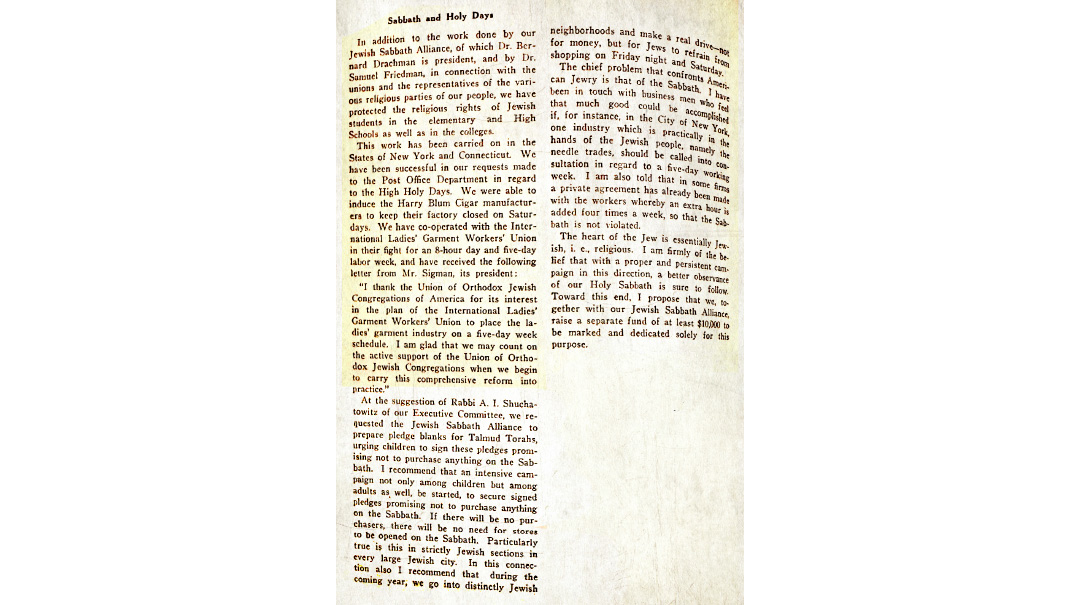
AS millions of Eastern European Jews arrived on American shores between 1880 and 1924, they found that in the “land of freedom and opportunity,” Shabbos observance was nearly impossible. Immigrants who took jobs in New York’s burgeoning garment industry were often told “not to bother coming back on Monday if you don’t show up on Saturday.” While there were occasional instances of heroic commitment to Shabbos observance, most succumbed to the harsh realities.
And yet when Holocaust survivors came to America after the war, the situation had changed significantly. Employers were much more open to hiring Shabbos-observant workers. What had changed?
Credit must go to the labor unions.
The rapid growth of industries like railroads, manufacturing, mining, and textiles in the 19th century came about when working conditions for employees were much worse, wages were much lower, and the workweek often extended to seven days. In response, workers began to organize into labor unions.
In 1886 they coalesced into the American Federation of Labor, whose first president was a Jewish immigrant from the Lower East Side named Samuel Gompers. Over the ensuing decades, labor unions demanded improved working conditions, livable wages, and shorter work days and weeks. They negotiated contracts with employers, and held strikes when their demands weren’t met.
Create a free account to keep reading.