The enduring impact of the Chazon Ish
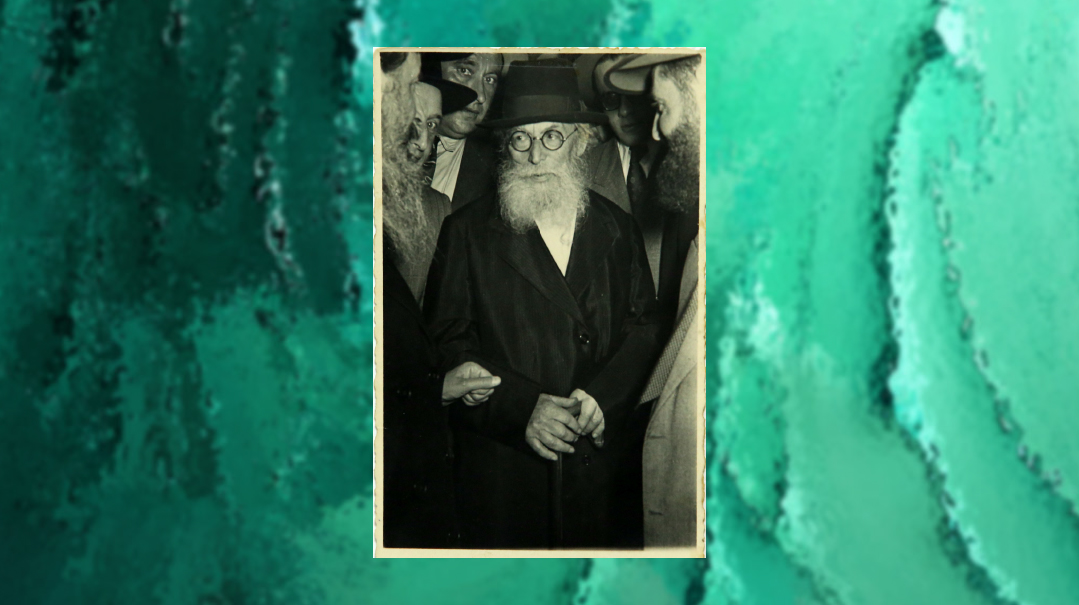
The Chazon Ish passed away decades ago, but his impact still permeates so many areas of frum life in Eretz Yisrael today. Far from a larger-than-life personality, this short, frail gadol was neither a rav or rosh yeshivah, and never sought the limelight. But his clarity in Torah, in both halachah and hashkafah, had Jews from all walks of life seeking him out.
He devised systems to help farmers keep Shabbos and shemittah, he redefined the halachic status of electricity, and identified esrogim whose pedigree wasn’t questionable, which are sought out even today. And the principles he formulated to navigate the divide between the religious and the secular still guide the fragile status quo. Seventy years after his petirah, a look back at the imprint of the gadol who shaped the halachic, hashkafic, and ideological contours of Eretz Yisrael until today.
Rav Avraham Yeshayahu Karelitz was born in 1878 to an illustrious rabbinic Lithuanian family, but his path to greatness veered from that of many of his peers. While the vast majority of gedolim of the last century were products of the main yeshivos of prewar eastern Europe, the Chazon Ish, who began learning in a small yeshivah setting in Vilna under the guidance of Rav Chaim Ozer Grodzenski (though others are of the opinion that he set out to learn in Brisk under the Beis Halevi, Rav Yosef Dov Soloveitchik,) was only a yeshivah bochur for several days.
Scholars debate why this was so, some positing it was because of his strict adherence to the laws of chadash (which prohibit the consumption of wheat grain and consequently bread during certain months of the year), that proved difficult in a yeshivah setting. Others claim that the bochur, who was quiet by nature, was more comfortable with the solitude of his home.
Create a free account to keep reading.