The problem is, most of the time we don’t understand the math and science of other people’s behaviors
IFyou place a hard object inside a solid container and shake, you know it’s going to make noise. Even without conscious thought, you understand that sound is being created and that your ears are transmitting that sound to your brain, where it is processed. Assuming you’ve been blessed with the ability to hear for many years, this will be utterly unsurprising.
If you demonstrate this action to a baby, though, she’ll be enchanted with the resulting sound long after your adult ears tire of it. To her, the noise is a new and exciting experience. It seems magical to her, the same way most adults would find the Northern Lights, the pull of the tide, or communication between bees. If you’ve studied these phenomena and understand the math and science behind them, you might be even more in awe of the intricacies of Creation — and, by extension, the Creator — but you would certainly be less surprised.
The same is true for human behavior.
People act the way they do for various reasons. When you know the “math and science” behind their behavior, it’s much easier not to judge them or take their actions personally. Imagine a rambunctious preschooler whose mother has been hospitalized for the past few months. You might cluck your tongue in sympathy and concern seeing him act out, but you won’t criticize.
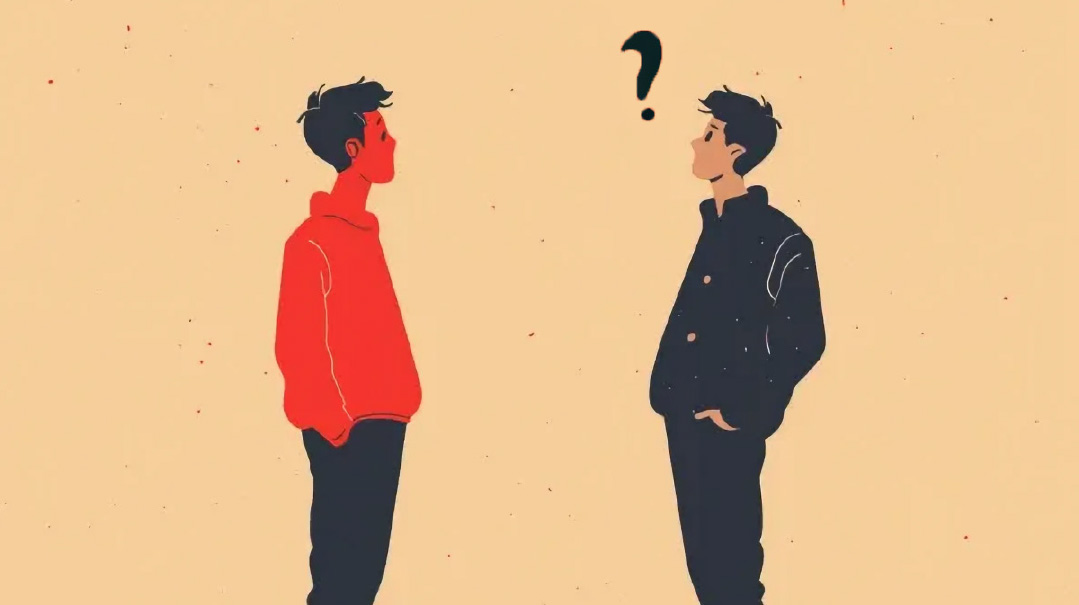
The problem is, most of the time we don’t understand the math and science of other people’s behaviors. It’s challenging to accept the tantruming toddler, the rebellious teenager, or the obnoxious adult, especially if you’re in the line of fire.
Create a free account to keep reading.