“Wait, birdy, wait! It’s not yet the right time... until The One Above decides”
Actually, the song is about a unique-looking bird with yellow feet and a pearl-white beak, flapping its blue wings to a beautiful sunrise over a green forest. The bird is waiting to go home, yet from the heavens, a sound is heard: “Wait, birdy, wait! It’s not yet the right time… until The One Above decides.”
The song was brought to the Jewish world by the first Kaliver Rebbe, Rav Yitzchak Isaac Taub zy”a, who lived at the end of the 1700s and was known for composing many popular chassidic melodies, often adapting Hungarian folk songs and adding Jewish words. He believed that these tunes originated in the Beis Hamikdash and were lost among the nations over the years. He proved it by explaining that after the non-Jew taught him the tune, the gentile immediately forgot the song, because it never belonged to him in the first place.
The most famous of these “redeemed” tunes is “Sol a Kokosh Mar.” The Rebbe overheard this tune being sung by a young Hungarian shepherd, recognized it as one of those holy niggunim, and immediately bought the song from the young boy, who then promptly forgot it. The Rebbe realized that this Hungarian folk song was actually a parable of the galus: When can this special bird, obvious not from around here, out of place, always different, finally go home? To the bird’s query about returning home, the Rebbe added the words, “But when will that be? When the Beis Hamikdash will be rebuilt and the city of Zion be restored.” The bird asks, “Why is it taking so long?” The answer, “Because of our sins, we were exiled from our land….”
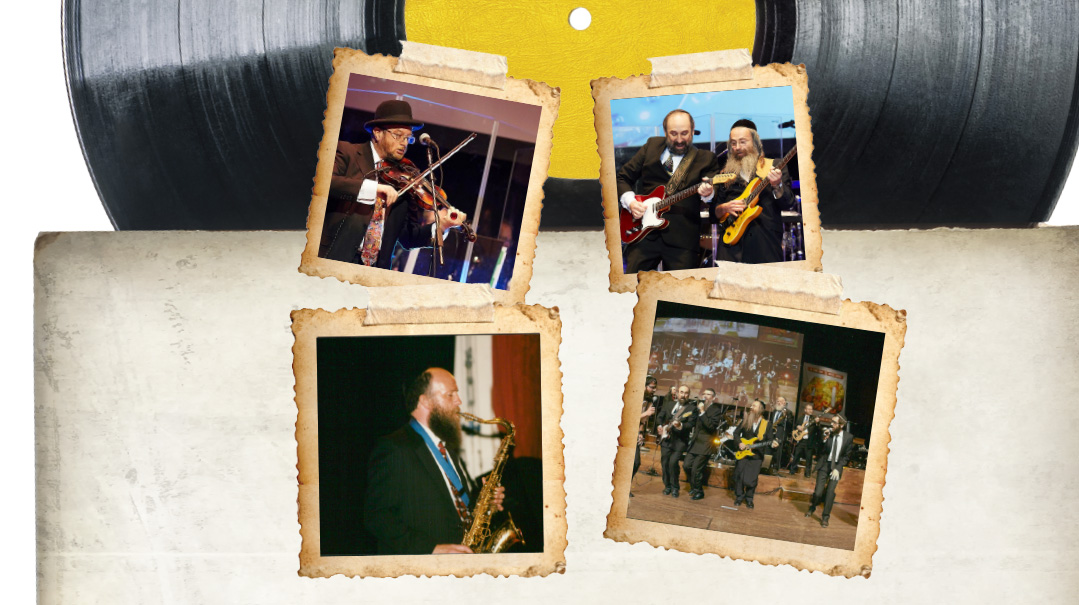
The song was recorded on several Yiddish albums over the years, and was rerecorded in both English and Hungarian on JEP Vol. 5, It’s Never Too Late, a comeback album released in 1997 after an 18-year JEP hiatus. The child soloist on that album was none other than an 11-year-old Beri Weber. For Beri, who grew up in a Hungarian family, the song was already familiar, and he belted it out with all his heart. The English lyrics were sung by Bumy and Bency Schachter and Ali Scharf, and the song ends with an inspirational narration by Nachum Segal.
Create a free account to keep reading.