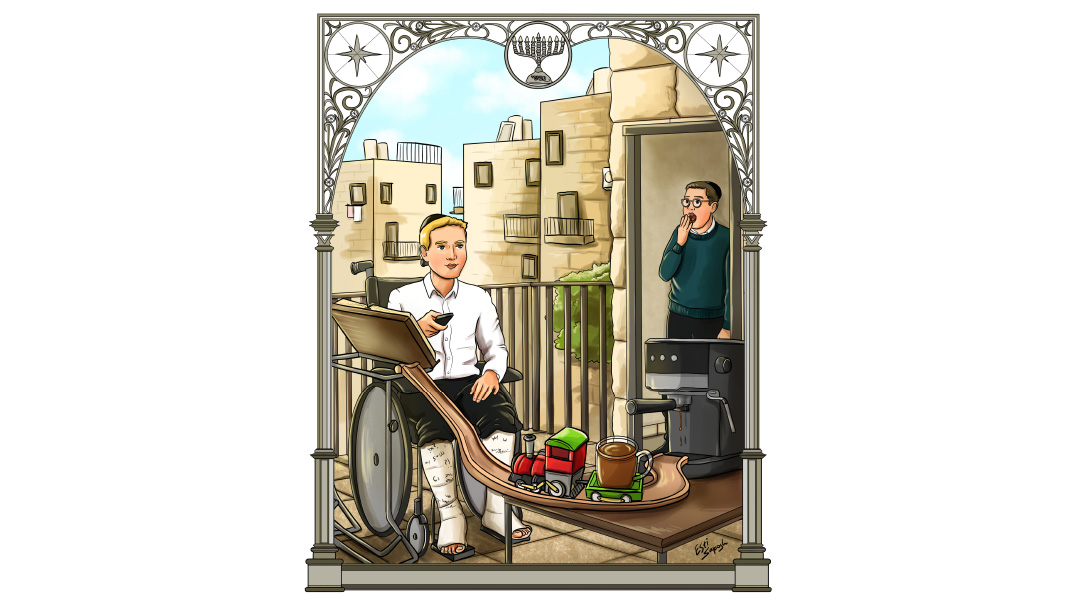
This time, it would not be Mordechai and Esther who saved Persian Jewry, but rather their own brethren in Europe
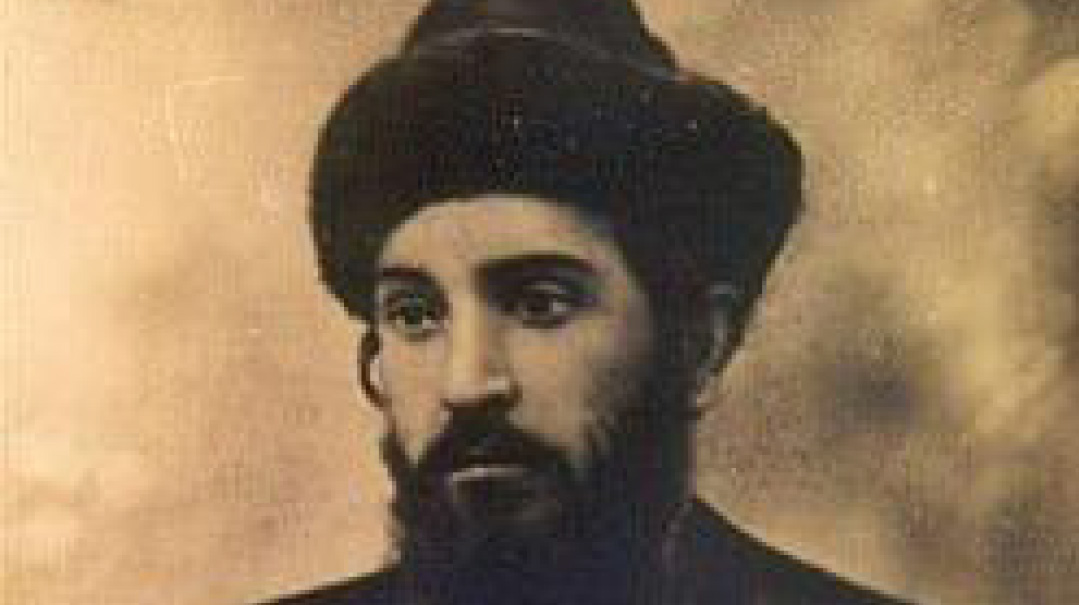
IN 1871, a devastating famine swept through Persia, leaving hundreds of thousands starving — including its 30,000 Jews. Entire communities collapsed, families sold their last possessions for scraps of food, yet help never came. The Persian government funneled its limited aid exclusively to Muslim citizens, abandoning the Jewish population. Scattered across the cities of Isfahan, Tehran, Kashan, Shiraz, Hamadan, Tabriz, and Bushehr, Persian Jews were already living on the margins — confined to menial trades, subjected to daily discrimination, and now, left to starve in a land that refused to claim them.
Recognizing the unfolding catastrophe, the Jewish Chronicle in London first sounded the alarm in the summer of 1871, followed by regular reports as conditions worsened. The popular newspaper HaMagid, (established in 1856 as the first-ever Hebrew weekly) carried the appeal even further, ensuring that the cries of Persian Jewry reached Jewish communities throughout Eastern Europe.
The call for aid spread swiftly, igniting an extraordinary response in the Pale of Settlement, particularly in Lithuania. Though they themselves faced economic hardship and food shortages, Lithuanian Jews did not hesitate. They understood the agony of hunger all too well.
In shuls across the land, appeals were made — especially on Purim, when maggidim and rabbanim passionately implored their congregations. This time, it would not be Mordechai and Esther who saved Persian Jewry, but rather their own brethren in Europe. The campaign was meticulously organized, with emissaries dispatched to towns large and small from Moscow to Mezhibuzh and Kovno to Krynik.
Create a free account to keep reading.