France claims to remember The Dreyfus Affair, but reality proves otherwise
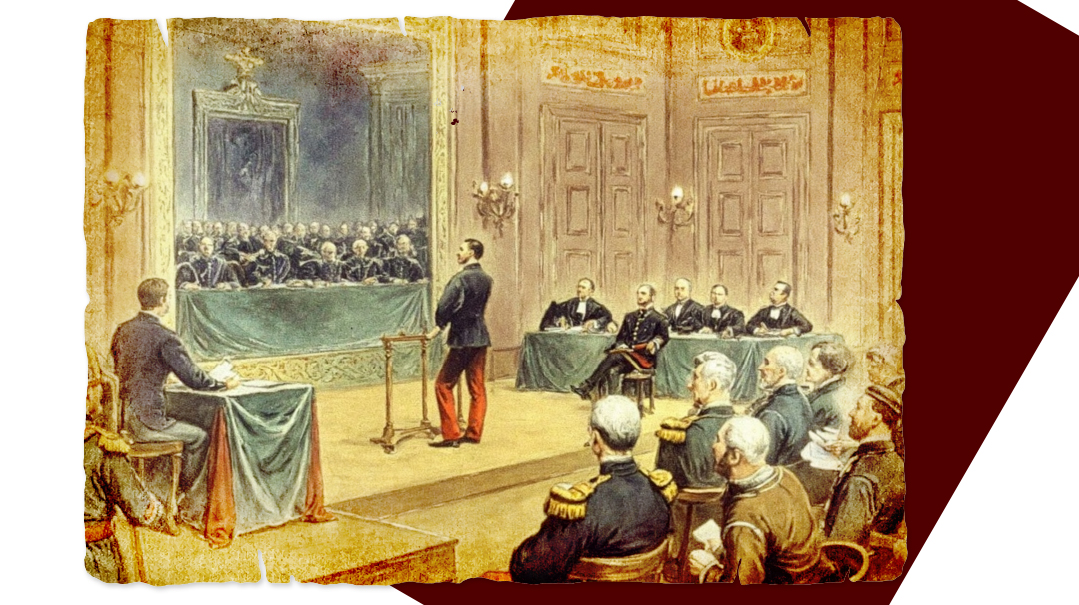
This inversion is not uniquely French. Across Europe and the United States, the rise of the “new right” has complicated old certainties. These movements, once instinctively anti-Semitic, now often find common cause with Israel against political Islam, seeing the Jewish state as a frontline defender of the West. At the same time, parts of the progressive left, once instinctively philo-Semitic, have recast Jews as symbols of privilege and Israel as a colonial oppressor.
If the Dreyfus Affair were reenacted today, who would rush to sign the 21st century’s “J’Accuse”? Would the professors, novelists, and editorialists of our time demand justice for the wrongfully accused Jewish captain? Or would they, as so many do now, see in his Jewishness not a marker of vulnerability but of culpability? Would the very intellectual classes who once rescued Dreyfus from oblivion now condemn him in the name of anti-colonial solidarity?
The question is not academic. For French Jews, the ground has already shifted. Jean-Yves Camus has noted a growing disillusionment with Macron’s centrism and a drift, however cautious, toward the right. Others, like councilwoman Shannon Seban, insist that the center remains the safest haven, warning against both extremes. But beneath these tactical debates lies a deeper unease: whether Jews can still trust the political currents that once sheltered them.
The Dreyfus Affair ended, after years of humiliation, with vindication. But the scar it left on France — on its institutions, on its Jews — has never fully healed. Today, the scar throbs again. Desecrated synagogues, online incitement, and street protests against “Zionists” form a pattern too familiar to dismiss. Thousands of Jews have already emigrated to Israel since 2023; thousands more weigh the decision daily.
Create a free account to keep reading.