For centuriesthe sacred caverns beneath Mearas Hamachpeilah wereoff-limits. These few found a way in
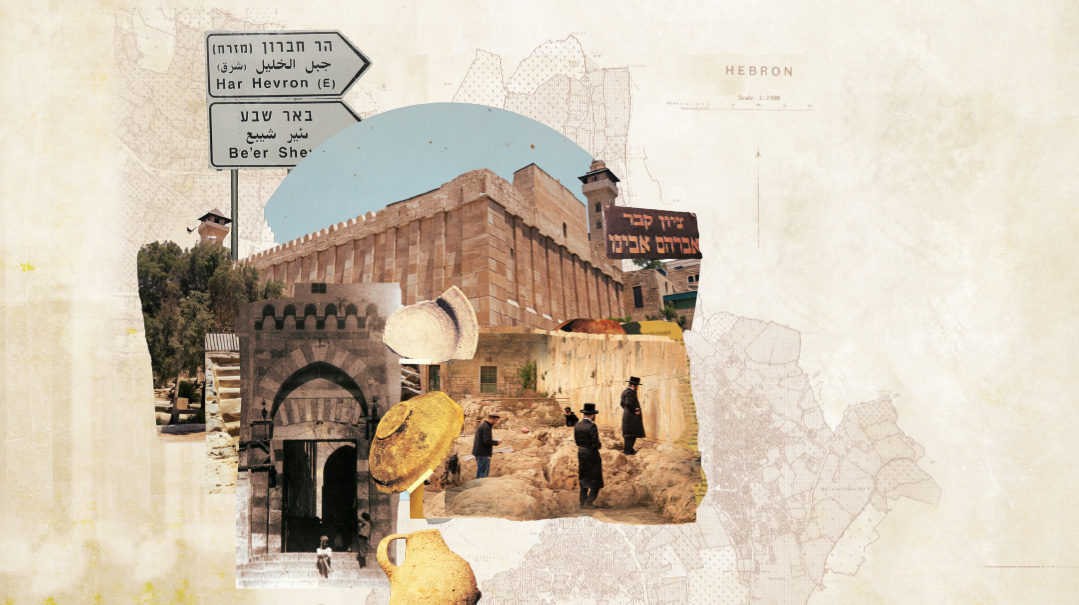
Chol Hamoed Succos, 1968.
Close to midnight.
The city is under curfew.
Just that afternoon, a terrorist had thrown a grenade at Jewish worshippers in the city, injuring 40.
A car pulls up outside Mearas Hamachpeilah, and a man and a girl wrapped in blankets emerge.
The man is Yehuda Arbel, head of the Shin Bet’s Jerusalem portfolio. And the girl is his 13-year-old daughter, Michal.
They’re there on a mission: to sneak inside the ancient stone building we associate with Mearas Hamachpeilah and explore what lies beneath its surface.
Create a free account to keep reading.