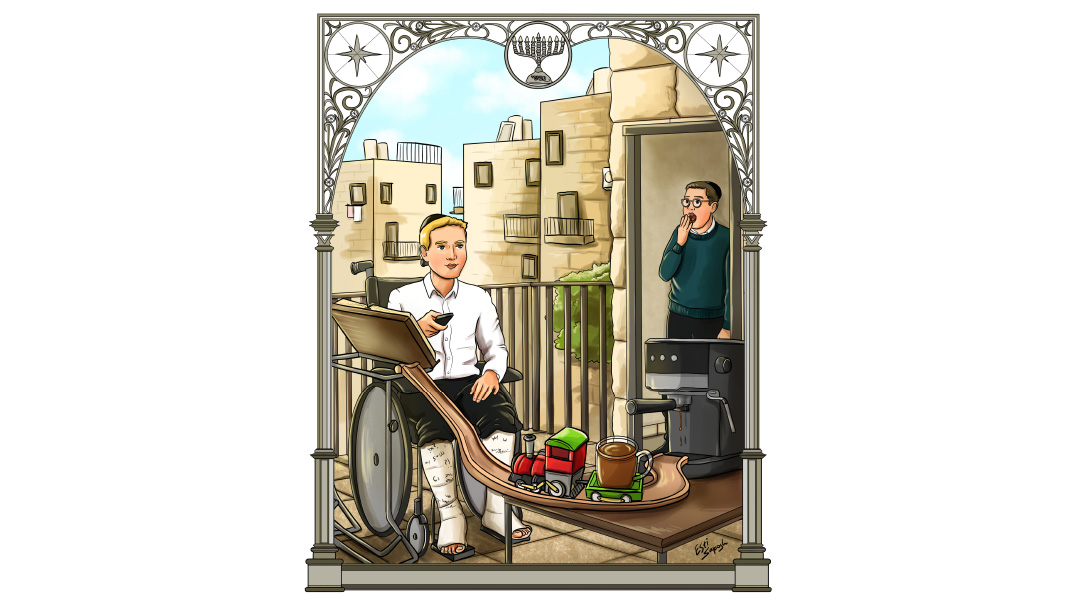
The way to heal difficult emotions is to deep dive into them
Having emunah and bitachon in Hashem is usually the key to leading a mentally healthy life. They enable a person to move forward gracefully from disappointment, loss, and even tragedy. It helps us understand that Hashem does everything for the good and that every event is part of a guided, larger plan.
But what happens when despite our emunah and bitachon, our feelings of fear, or anger, or sadness continue to haunt us?
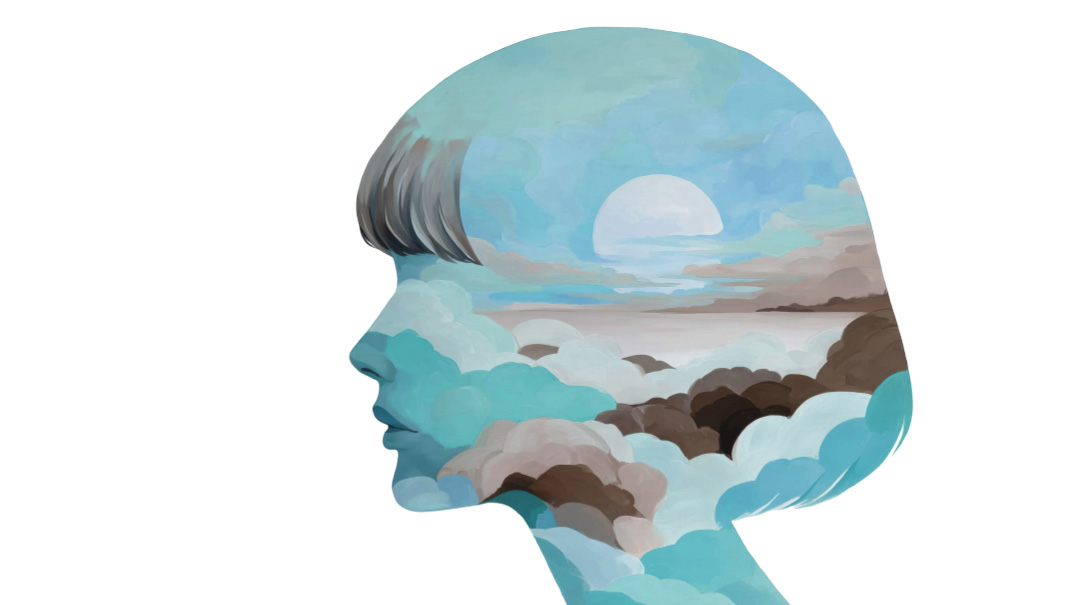
The brain has different “departments.” The front upper region (the prefrontal cortex) holds all of the beliefs that constitute emunah and bitachon, along with systems for remembering, analyzing, problem-solving, thinking, and understanding. The middle region of the brain holds our emotional processing plant and the lower region manages our basic survival tasks such as breathing, heart rate, and body temperature.
While interrelated, these sections operate independently to a certain extent. The result is that a person can operate on different levels simultaneously, sometimes in such a way as to be in conflict with herself. For instance, a person may report that she feels afraid “for no reason” — there’s a part of her that is experiencing physical sensations of fear, and a different part of her that rejects the feeling as she sees no danger present.
Create a free account to keep reading.