It starts as an occasional behavior, an annoying tendency. And suddenly, it’s a full-blown habit that you find yourself engaging in again, and again, and again. How do we free ourselves from the shackles of bad habit? Family First offers you a plethora of ideas and methods for ditching the behaviors you wish you’d never begun.
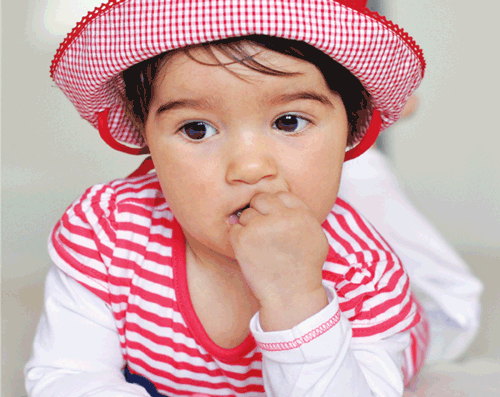
Tzivia would surely wrinkle her nose at Miri’s dirty dishes habit. But let the conversation turn to nasty habits and she’ll blush as red as her bitten fingernail cuticles. It’s something she started in elementary school and she still attacks those nail beds twenty years later.
They begin as small behaviors that initially serve a purpose whether it’s relieving stress giving comfort overcoming awkwardness or even facilitating efficiency. But somewhere somehow bad habits bite back. With time old habits tend to outgrow their usefulness. The trouble is by then they’ve become so ingrained it seems almost unfathomable to try to reverse them or to cultivate new more age- or socially appropriate behaviors.
Dr. Mark Lovinger a clinical psychologist in private practice in Beachwood Ohio and assistant clinical professor in the Department of Psychiatry at Case-Western Reserve University School of Medicine sums up the problem in a nutshell. “A behavior that may begin as a coping strategy or as reactive to an event can then can take on a life of its own and become a habit that is very difficult to break or give up.”
Sometimes our habits are so intertwined with our personalities and daily behaviors that we’re not even aware that they’re doing us harm. The woman who munches your ear off while talking on the phone may do it so instinctively that she isn’t even aware that it bothers anyone.
Create a free account to keep reading.