Rabbi David Stavsky helped Columbus discover its Jewish spirit

Rabbi Stavsky’s early years were spent in a quite different Jewish environment from the places his life’s journey would eventually bring him. His father, Reb Chaim Tzvi Stavsky, emigrated to these shores from Poland in 1919, plying his watchmaker’s trade on the Lower East Side in an era when great talmidei chachamim were a common sight on its streets. Not a few of them found their way to Stavsky’s watch repair and gift shop on Norfolk Street to buy something and exchange words of Torah with its learned proprietor.
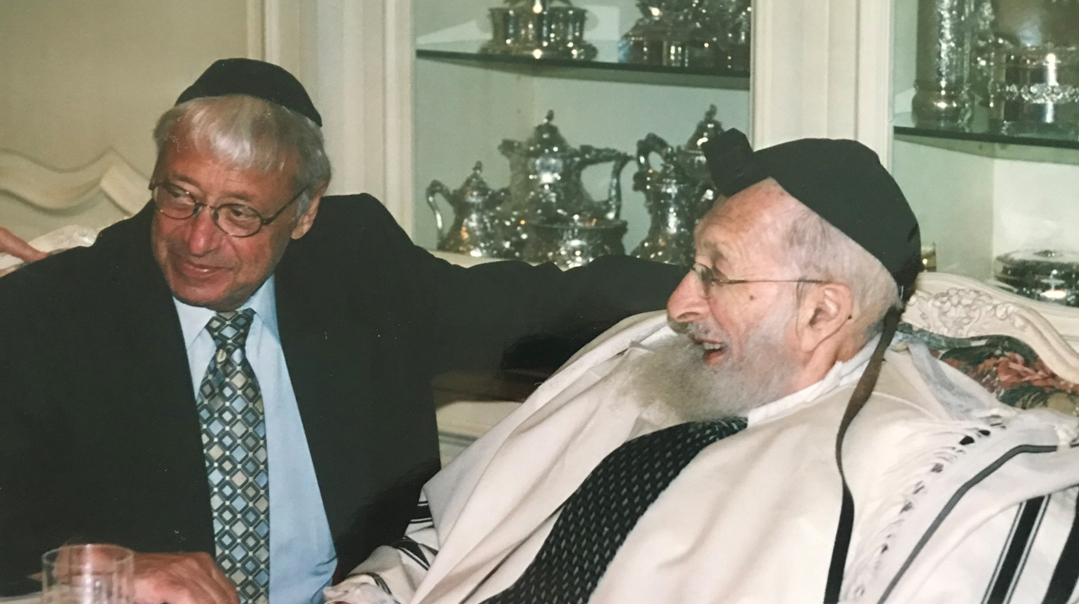
It was in that milieu that David Stavsky was born and raised. His bar mitzvah took place in 1943 in Rav Chaim Pinchas Scheinberg’s shtibel, and the Stavsky family also davened in the Beis Medrash HaGadol, the imposing shul on Norfolk Street led by Rav Ephraim Oshry. David was no stranger in Rav Moshe Feinstein’s Grand Street home, where the door was open to all for a sh’eilah, an eitzah, or just a brachah and some encouraging words.
After attending Yeshiva Rabbi Jacob Joseph elementary school and Yeshiva University’s high school, David moved on to college at YU. With his heart set on the rabbinate, he also pursued semichah at its affiliate institution, Yeshivas Rabbeinu Yitzchak Elchanan, forming what were to be lifelong bonds with Rav Dovid Lifschitz, Rav Yerucham Gorelick, and Rav Yosef Ber Soloveitchik. Although the three were quite different from each other in temperament and approach, David Stavsky’s gift for connecting easily with people of diverse personalities and worldviews enabled him to consider each one a mentor.
His semichah test in 1955 was given by Rav Soloveitchik, Rav Moshe Shatzkes (the Lomzher Rav), and YU’s President Rabbi Dr. Samuel Belkin, who was particularly influential in guiding his promising talmid toward the rabbinate. But, he counseled, doing a stint as a military chaplain first would be good experience, an opportunity to lead a mini-kehillah without having to contend with challenging balabatim.
Create a free account to keep reading.