Forty days to elections, Israel’s political map
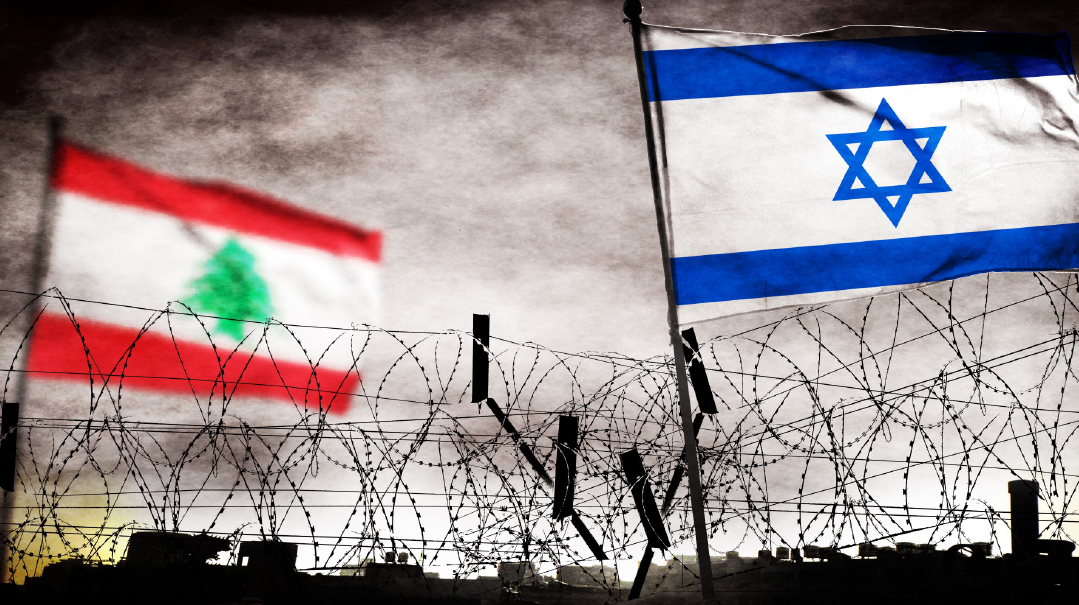
Expect the top two finishers in April’s election — Likud, and Blue and White — to repeat. Likud has one new face this time, Moshe Kahlon, who folded his Kulanu Party tent to rejoin the Likud and snag the #5 spot, knocking down Gideon Saar, (Bibi Netanyahu’s main intraparty rival) one notch to #6. Polls show both major parties losing seats compared to April’s 35–35 tie. However, the polls historically (some say hysterically) underestimate the Likud’s final tallies. Netanyahu and his proxies are certain to crank out a new and improved version of their gevalt campaigns that garner them extra votes days before the election. For his part, Benny Gantz is no longer the fresh new face that energized the anti-Netanyahu vote last time. The former general weighs himself down by seeming eager for a national-unity government, while the anyone-but-Bibi crowd wants a fighting opposition. Look for Likud to beat out Blue and White by a handful of seats.
Ayelet Shaked and Naftali Bennett, whose split from the national-religious Bayit Yehudi party backfired badly on them before April’s election, retied the knot. They have joined with Bayit Yehudi (Rabbi Rafi Peretz) and Tekumah (Betzalel Smotrich) to form a new coalition, the United Right, which is basically a reincarnation of the old Bayit Yehudi. This time around, Ayelet Shaked is party leader, Bennett is #4, Peretz is #2, and Smotrich is #3. For all of Shaked’s sparkle instituting judicial reforms as justice minister, she must still prove herself as a vote-getter and party leader. She fell short in her first effort to unify all of Israel’s right-wing parties under her banner. Both the Kahane wing and Moshe Feiglin will run on their own, alongside a third and new entry, Noam, which represents the more yeshivish national-religious vote. Polls show the New Right winning 11 or 12 seats, but with the three solo factions siphoning off votes, Shaked will be severely challenged to bring in more than the eight seats Bayit Yehudi held before the previous election.
Amir Peretz has refuted the pundits who assume that voters crave fresh new faces, and the leftier the better. Peretz — a 30-year Knesset veteran credited with being the father of the IDF’s Iron Dome missile defense system — filled the power vacuum left after Labor’s poor showing in April, capturing the party chairmanship when Avi Gabbay resigned. Peretz then shocked Labor purists by offering the #2 spot to centrist Orly Levy-Abekasis, whose father David Levy was foreign minister under the Likud’s Yitzhak Shamir. Give Peretz some credit — he understands the electorate has lurched rightward, and he also knows the far left will vote for the new Democratic Union, an eclectic mix of far-left Laborites, Meretz, and Ehud Barak, whose hopes of making a political comeback were dashed by his being placed an unrealistic #10 on the party list. Some Israelis will always vote for Labor, just like some people will never kick their cigarette habit, but six seats would be a grand showing for each party.
Laying odds on Avigdor Lieberman is like guessing on which side a spinning dreidel will land. He is trying to convince the secular left he is really one of them when it comes to ensuring the buses will run on time — even on Shabbos. He is wooing the right by saying he will be tougher on Hamas than Netanyahu. He is attempting to persuade his core constituency of Russian immigrants that he alone can serve their economic interests. And he is telling the entire Israeli electorate that the only sustainable coalition is a national-unity government, with him in the middle keeping the two big parties honest. We wrote about Lieberman’s considerable political acumen in this column a few weeks ago. His success in the upcoming election will hinge upon whether he can fool most of the voters some of the time, or at least through September 17.
Create a free account to keep reading.