What happened in Washington and why it matters
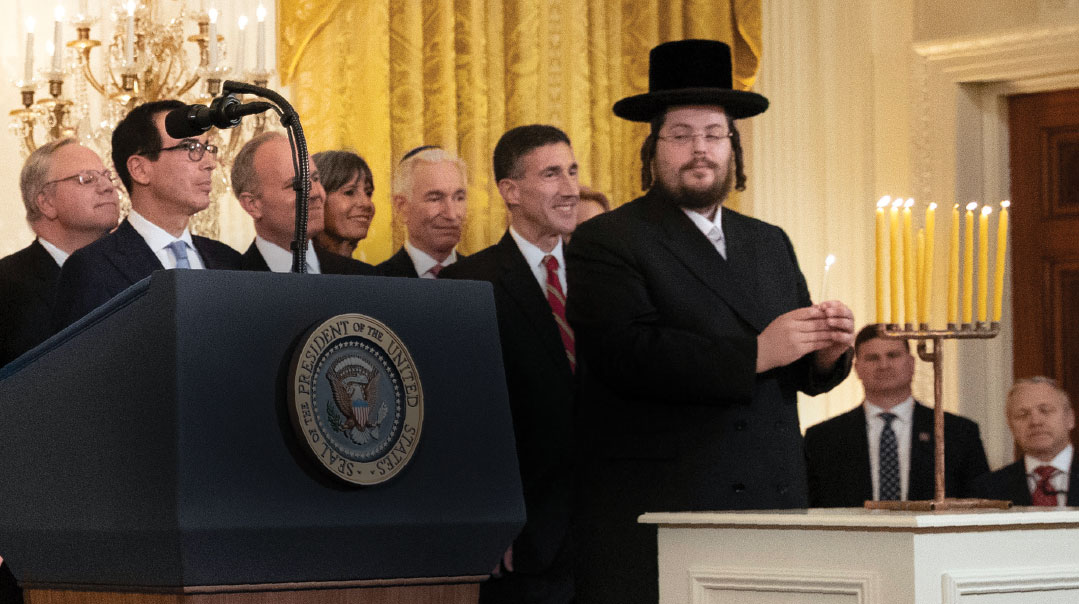
“I thanked him for the First Step Act,” he recalled. “I told them we were involved since 2009 in criminal justice reform, and no one was able to get this done besides him and Jared [Kushner]. What they did, no one thought was possible. And we are very thankful for that.”
Over the last 18 months, the two most powerful economies in the world have engaged in a bitter trade war that has cost them billions of dollars. But the past week saw progress toward a final deal.
US Trade Representative Robert Lighthizer said Sunday that the first phase of a new trade agreement is virtually finished, one that will almost double US exports to China in two years.
Just 48 hours before another significant round of $160 billion in tariffs was set to go into effect, the two countries agreed to halt the tariffs and to halve tariffs that were imposed in September.
Create a free account to keep reading.